Wow, an entirely predictable reaction. Considering your misunderstanding of "Show and tell"
Here is a list of dead metaphors that people use due to common sense and share understanding.
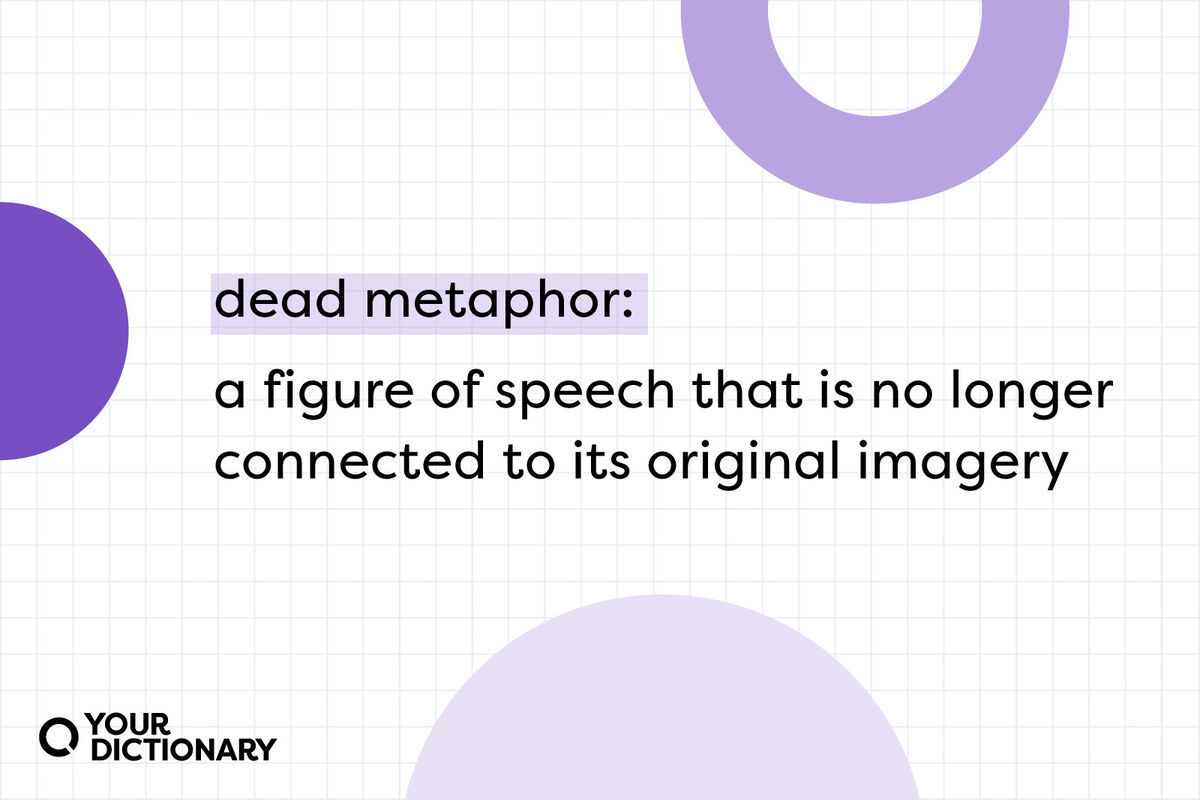
Dead metaphor examples show comparisons that have become common terms over time. See how what a dead metaphor looks like and how to recognize it easily.

examples.yourdictionary.com
Did you know when someone calls you a "laughing stock" also don't literally means you are in a stock. Or when people say stock in this context it's not the stock market nor the stock of a rifle.
But we still use it. It's quite interesting.
Do you know this little thing called “joke”? Judging by your reaction, maybe you don’t, huh?
And as for ”show, don’t tell”, it technically means exactly just that. Show the readers the scene, the story, let them experience it. It’s just that simple, I understand that.
But I brought this up because this “show, don’t tell” thing is confusing, and if you don’t really get to the core or the intention of it, you’ll have a higher chance of over-describing things.
How did I know this? Well, I’ve been there before, and not just me, either. There are still many people who end up writing in purple prose just because of this “show, don’t tell”.
It’s a good concept with good intention, but the wording of it is really misleading—especially the word “don’t”.
If my information was right, then this “show, don’t tell” thing was originated from Percy Lubbock’s The Craft of Fiction.
And he never actually says ‘show, don’t tell’, either.
He just writes: “the art of fiction does not begin until the novelist thinks of his story as a matter to be shown, to be so exhibited that it will tell itself”.
He also writes: “The expanse of life which the story covers is far too great to be shown to the reader in a series of purely dramatic scenes. It is absolutely necessary for the author or his spokesman to draw back for a general view of the matter from time to time; and whenever he does so the story becomes his impression, summarized and pictured for the reader.”
The second quote right there is very clear that the word “show,
don’t tell” is ridiculous. If we go by this definition, then yes, of course, you want to show thing, to let the readers experience, but that doesn’t mean that you can’t tell—summarize, giving impression, exposition, etc.
For one, telling moves things faster. If you show everything in scene, then you’ll get tired of it eventually.
In conclusion: I don’t think I misunderstand the concept at all. I understand it in every definitions and what it implies. It’s just that I don’t like it, that’s all. It’s just my personal opinion stemmed from my personal experience.
Oh, and again. That green jade beauty thing was a joke. (I have to say it again since you seem to be the type who can’t understand the context.)
Peace~ ✌?