
You are using an out of date browser. It may not display this or other websites correctly.
You should upgrade or use an alternative browser.
You should upgrade or use an alternative browser.
What unconventional meat have you consumed at least once in your life?
- Thread starter Eldoria
- Start date

RCLawrence20
Active member
- Joined
- Nov 15, 2021
- Messages
- 3
- Points
- 43
Oryx and nigali. Someone in my local hunting club went to Texas to hunt them. Apparently the conditions in Texas are similar enough to Africa for ranchers to raise them and allow hunters to hunt them. He made two types of stews with them for a potluck event at the club. I would not be opposed to trying them again. I also had elk at the event and bear in a separate occasion.

Bartun
Friendly Saurian Neighbor
- Joined
- Dec 9, 2020
- Messages
- 1,187
- Points
- 153
Oh, I tried everything. Boar meat, crocodile meat, deer meat, goat meat, capibara meat, turkey meat, duck meat, and apere'a, which is a kind of wild rat. As for fish: Dorado, mandi'i, surubi, ray, you name it.
The only thing I haven't tried is dog meat, cat meat, and human meat.
The only thing I haven't tried is dog meat, cat meat, and human meat.

RepresentingCaution
Level 37 ? ? Pronouns: she/whore ♀
- Joined
- Apr 15, 2020
- Messages
- 9,834
- Points
- 233
Quite a lot, especially in the seafood department. Kid has had octopus, squid, mussels, crab legs, and clams. The first time we tried to give him lobster, he didn't eat any, but it has been a long time, and he put some in the shopping cart recently, so we're planning that for his birthday. He's also shown interest in frog legs, and I haven't tried that either, so that's potentially on the menu for kid's birthday.
Gator jerky, pig eyes, monkey brains, roasted hissing cockroaches, roasted chocolate ants, rabbit stew, grilled squirrel, grilled boar, snaked-and-eggs, and cat.
Want to try bear, ray, bison, and goat.
Edit: I didn't know deer and wild turkey are considered unconventional??? I've had those too then.
Want to try bear, ray, bison, and goat.
Edit: I didn't know deer and wild turkey are considered unconventional??? I've had those too then.
Last edited:


RivCA
Active member
- Joined
- Mar 3, 2025
- Messages
- 62
- Points
- 33
Definitely counts. If it can be farmed and it’s living protein that consumes something and run away, it’s a meat.Grasshoppers and crickets?
...I don't think they count
For me, though, I live in the American South, but have traveled far and wide. My idea of “unconventional meat” is becoming stuff I haven’t tried, so for now, it’s most reptiles. I will say this, I did join with a bunch of

ConansWitchBaby
Da Scalie Whisperer
- Joined
- Dec 23, 2020
- Messages
- 1,748
- Points
- 153
Starfish

LeilaniOtter
Well-known member
- Joined
- Jun 29, 2025
- Messages
- 1,216
- Points
- 113
Actually, when you really look at it, all American cuisine has its roots in Europe and Asia. *^^* there's nothing "pure American" about any of our food.I agree, american cuisine is the weirdest thing ever.
Placeholder
Well-known member
- Joined
- Nov 24, 2022
- Messages
- 464
- Points
- 133
> all American cuisine has its roots in Europe and Asia
Okra, jambalaya, rice dishes, rice pudding, watermelon, black eyed peas, cornbread, hot sauce, ... pumpkin pie, corn, turkey.

 en.wikipedia.org
Okra, jambalaya, rice dishes, rice pudding, watermelon, black eyed peas, cornbread, hot sauce, ... pumpkin pie, corn, turkey.
Soul food - Wikipedia
We need to breed an ugly, spiteful rabbit. Maybe with some sort of horn.Rabbits are an alternative meat that could become a global food source. Unfortunately, rabbit meat isn't popular due to its cuteness. Well, while I've eaten rabbits and even keep them now, slaughtering them for food is indeed difficult or rather, I don't have the heart to slaughter them.

Anonjohn20
Pen holding member
- Joined
- Mar 22, 2023
- Messages
- 1,920
- Points
- 153
Asian.rice dishes, rice pudding
Not a dish, just a fruit.watermelon
Pie was invented in Egypt; the Europeans and Asians learned it from the Middle Eastern people, and then the colonizers started making pie with pumpkin. Pumpkin pie would not exist without Europe.pumpkin pie
Just a fruit, not a dish.corn
Just an animal, not a dish.turkey
I was about to assume you got this one right, but then I looked it up. African.Okra
African.black eyed peas
You got three right: cornbread, jambalaya (even though it was made by the French and Spanish learning from the Africans), and hot sauce.
Placeholder
Well-known member
- Joined
- Nov 24, 2022
- Messages
- 464
- Points
- 133
>>> rice dishes, rice pudding
>> Asian
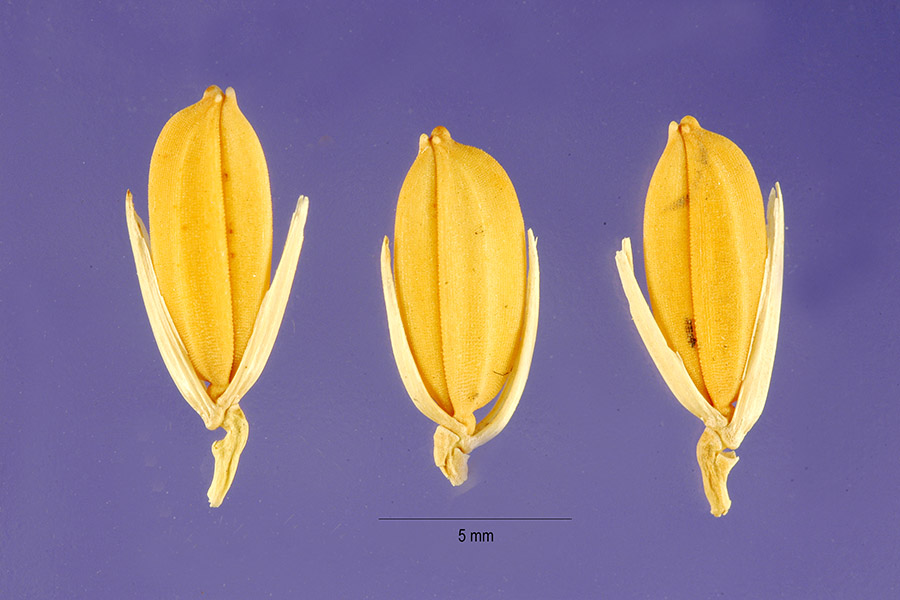 en.wikipedia.org
> In the late fifteenth and sixteenth centuries, the Portuguese sailed to the Southern Rivers area in West Africa and wrote that the land was rich in rice. "[T]hey said they found the country covered by vast crops, with many cotton trees and large fields planted in rice ... the country looked to them as having the aspect of a pond (i.e., a marais)". The Portuguese accounts speak of the Falupo Jola, Landuma, Biafada, and Bainik growing rice. André Álvares de Almada wrote about the dike systems used for rice cultivation,[2] from which modern West African rice dike systems are descended.
> African rice was brought to the Americas with the transatlantic slave trade, arriving in Brazil probably by the 1550s[11] and in the U.S. in 1784.[14][dubious – discuss] The seed was carried as provisions on slave ships,[11] and the technology and skills needed to grow it were brought by enslaved rice farmers. Newly imported African slaves were marketed for their rice-growing skills, as the high price of rice made it a major cash crop.[12] Not all Africans came to the Americas with knowledge in rice growing, due to the vast variabilities in cultures and ethnicities, but the practice of cultivation was shared throughout the Carolina plantations, which allowed the enslaved people to develop a new sense of culture and made African rice the primary source of nutrition.[15] The tolerance of African rice for brackish water meant it could be grown on coastal deltas,[13][16] as it was in West Africa.
> There are numerous stories about how the rice came to North America,[17] including a slave smuggling grains in her hair[11] and a ship driven in to trade by a storm.[13][18] African rice is a rare crop in Brazil, Guyana, El Salvador and Panama, but it is still occasionally grown there.[1] There are also native South American rices, which makes it hard to recognize the arrival of African rice in histories.[11]
> Asian rice came to West Africa in the late 1800s, and by the late twentieth century had substantially supplanted native African rice. However, African rice was still used in specific, often marginal habitats, and preferred for its taste.[2][1] Farmers may grow African rice to eat and Asian rice to sell, as African rice is not exported.
>> Asian
Oryza glaberrima - Wikipedia
> In the late fifteenth and sixteenth centuries, the Portuguese sailed to the Southern Rivers area in West Africa and wrote that the land was rich in rice. "[T]hey said they found the country covered by vast crops, with many cotton trees and large fields planted in rice ... the country looked to them as having the aspect of a pond (i.e., a marais)". The Portuguese accounts speak of the Falupo Jola, Landuma, Biafada, and Bainik growing rice. André Álvares de Almada wrote about the dike systems used for rice cultivation,[2] from which modern West African rice dike systems are descended.
> African rice was brought to the Americas with the transatlantic slave trade, arriving in Brazil probably by the 1550s[11] and in the U.S. in 1784.[14][dubious – discuss] The seed was carried as provisions on slave ships,[11] and the technology and skills needed to grow it were brought by enslaved rice farmers. Newly imported African slaves were marketed for their rice-growing skills, as the high price of rice made it a major cash crop.[12] Not all Africans came to the Americas with knowledge in rice growing, due to the vast variabilities in cultures and ethnicities, but the practice of cultivation was shared throughout the Carolina plantations, which allowed the enslaved people to develop a new sense of culture and made African rice the primary source of nutrition.[15] The tolerance of African rice for brackish water meant it could be grown on coastal deltas,[13][16] as it was in West Africa.
> There are numerous stories about how the rice came to North America,[17] including a slave smuggling grains in her hair[11] and a ship driven in to trade by a storm.[13][18] African rice is a rare crop in Brazil, Guyana, El Salvador and Panama, but it is still occasionally grown there.[1] There are also native South American rices, which makes it hard to recognize the arrival of African rice in histories.[11]
> Asian rice came to West Africa in the late 1800s, and by the late twentieth century had substantially supplanted native African rice. However, African rice was still used in specific, often marginal habitats, and preferred for its taste.[2][1] Farmers may grow African rice to eat and Asian rice to sell, as African rice is not exported.
Anonjohn20
Pen holding member
- Joined
- Mar 22, 2023
- Messages
- 1,920
- Points
- 153
The earliest evidence of rice cultivation comes from the Yangtze River basin in China at around 8,000-13,500 years ago (while African rice is only about 3,000 years old per your own source); cultivation, migration, and trade spread rice around the world—first to much of East Asia, and then further abroad, and eventually to the Americas as part of the Columbian exchange. China did it first; other civilizations eventually started doing it too. That being said, even if it was African rather than Asian, the recipes/dishes still did not originate in the US, so my point still stands.>>> rice dishes, rice pudding
>> Asian
Oryza glaberrima - Wikipedia
> In the late fifteenth and sixteenth centuries, the Portuguese sailed to the Southern Rivers area in West Africa and wrote that the land was rich in rice. "[T]hey said they found the country covered by vast crops, with many cotton trees and large fields planted in rice ... the country looked to them as having the aspect of a pond (i.e., a marais)". The Portuguese accounts speak of the Falupo Jola, Landuma, Biafada, and Bainik growing rice. André Álvares de Almada wrote about the dike systems used for rice cultivation,[2] from which modern West African rice dike systems are descended.
> African rice was brought to the Americas with the transatlantic slave trade, arriving in Brazil probably by the 1550s[11] and in the U.S. in 1784.[14][dubious – discuss] The seed was carried as provisions on slave ships,[11] and the technology and skills needed to grow it were brought by enslaved rice farmers. Newly imported African slaves were marketed for their rice-growing skills, as the high price of rice made it a major cash crop.[12] Not all Africans came to the Americas with knowledge in rice growing, due to the vast variabilities in cultures and ethnicities, but the practice of cultivation was shared throughout the Carolina plantations, which allowed the enslaved people to develop a new sense of culture and made African rice the primary source of nutrition.[15] The tolerance of African rice for brackish water meant it could be grown on coastal deltas,[13][16] as it was in West Africa.
> There are numerous stories about how the rice came to North America,[17] including a slave smuggling grains in her hair[11] and a ship driven in to trade by a storm.[13][18] African rice is a rare crop in Brazil, Guyana, El Salvador and Panama, but it is still occasionally grown there.[1] There are also native South American rices, which makes it hard to recognize the arrival of African rice in histories.[11]
> Asian rice came to West Africa in the late 1800s, and by the late twentieth century had substantially supplanted native African rice. However, African rice was still used in specific, often marginal habitats, and preferred for its taste.[2][1] Farmers may grow African rice to eat and Asian rice to sell, as African rice is not exported.

ConansWitchBaby
Da Scalie Whisperer
- Joined
- Dec 23, 2020
- Messages
- 1,748
- Points
- 153
I would like to eat squirrel but, all we got around here are the ghetto kind. So, most likely diseased.

Shiriru_B
Hi again.
- Joined
- Nov 1, 2020
- Messages
- 364
- Points
- 133
How did that happen? aren't they like inedible, this is the first time I've heard a starfish could be eaten...Starfish

Prince_Azmiran_Myrian
🐉Inquisitor Dragon Appraising Hoard🐉
- Joined
- Aug 23, 2022
- Messages
- 2,845
- Points
- 153
Unwell done
ConansWitchBaby
Da Scalie Whisperer
- Joined
- Dec 23, 2020
- Messages
- 1,748
- Points
- 153
Saponin is water soluble so you can just boil the toxins away.How did that happen? aren't they like inedible, this is the first time I've heard a starfish could be eaten...
Shiriru_B
Hi again.
- Joined
- Nov 1, 2020
- Messages
- 364
- Points
- 133
Oh, so then which parts did you eat?Saponin is water soluble so you can just boil the toxins away.
ConansWitchBaby
Da Scalie Whisperer
- Joined
- Dec 23, 2020
- Messages
- 1,748
- Points
- 153
The weird abomination looking insides. Tastes like the head part of a crab if you let it outside for a bit too much but not enough for it to go bad.Oh, so then which parts did you eat?