First person is easier to write when you start out inexperienced, that's why there are so many of them here.
Third person is the commonly known standard form of narrative, tho.
I don't think this is about inexperience.
It think there are writing standards imposed by the writing community (i.e. college Creative Writing courses, editors, people who wear suits and ties who also tell people that books don't sell if they exceed X number of words for this or that genre). This same community set up such rules because they think only a certain format sells. The word count has to do with how many books can stuff in a box (Guess what? Page number and page size is a better guide to that, and provides more freedom for things like font size and margins), meaning this whole standard is about saving and making money.
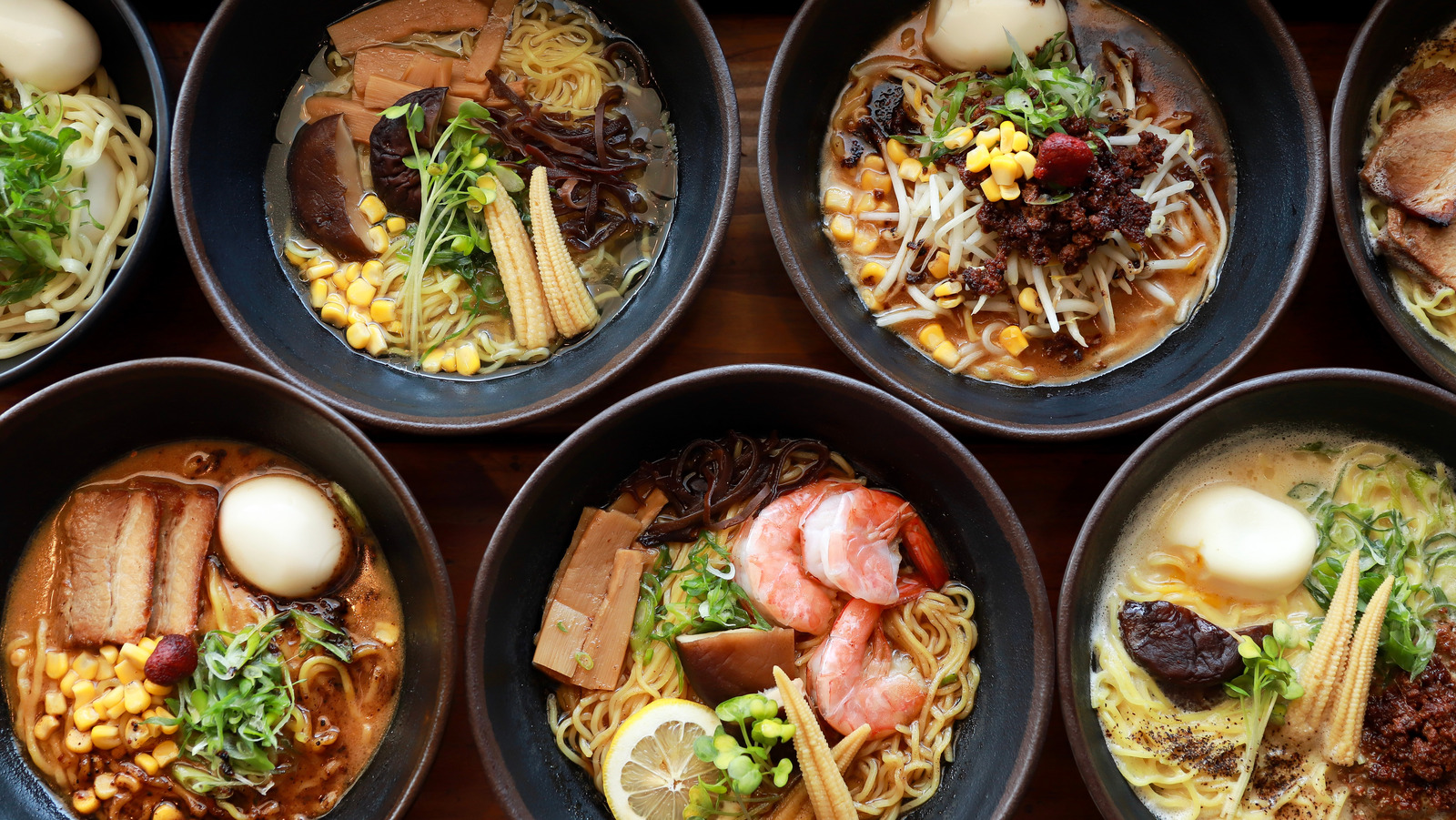
And as for style or content standards, editors and publishers never think the standard is anything but what works. But like having only four types of ramen (shio, shoyu, miso, and tonkotsu), having only
one approved way to write a novel is BORING. But yeah. People don't have to write a certain way to make books interesting. There are many many ways to write a book. Especially in the indie community.
1. Shifting POV (this is the one I use because it allows me to switch viewpoints as I need, including switching from first person to a third person narrator).
2. First Person Limited Perspective (Hero McHeroman is always the perspective, and we don't mention anything outside of it, so no offscreen action). This is 90% of First Person so they typically just call it First Person. But that's wrong!
3. First Person Omniscient Perspective (This is still first person but somehow notices characters who are offscreen, e.g. "While I was fishing, in another town, evil people were doing... stuff"). This perspective is never mentioned by the so-called experts above but any novel with a God Protagonist can use it.
4. Third Person Limited Perspective (The narrator stays distant from the story, yet there is distance things that cannot be seen).
5. Third Person Omnscient Perspective (Basically the third person is a possibly non-human observer, able to see offscreen events or even other people's thoughts).
6. Second Person (This is almost exclusively for choose-your-own-adventure stories, as most people find it jarring)
7. "Third" Person Hidden Perspective (Basically, you have a hero or side character who is the protagonist, and the action closely follows them. Who this character is might be hinted or outright said by the end of the story)
8. Story Within A Story (Think Princess Bride. We know who the narrator is because they are introduced as part of the main story, then they tell either a flashback or some sort of bedtime story)
9. Probably Others I Can't Think Of.
Btw, there are more than 4 types of ramen
Ramen's rise in popularity has created a multitude of variations. We're here to demystify the different types of Japenese ramen you'll want to know.

www.tastingtable.com