
New to writing..

Hazbel

New member
Joined
Dec 14, 2025
Messages
1
Points
3
So, this my first story ever, I just want just want to hear some words of criticism, a fat reality check, be as harsh as you want I can take it like a tough kid, but be warmed my English is pretty awful, the tense are all messed up, I'm planning on fixing them later.
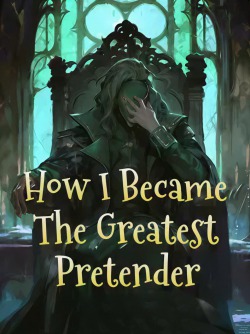
 
Last edited:

Sunsetinapainting

A Mother's good child. (PSYCHOLOGIST)
Joined
Dec 24, 2025
Messages
68
Points
33
So, this my first story ever, I just want just want to hear some words of criticism, a fat reality check, be as harsh as you want I can take it like a tough kid, but be warmed my English is pretty awful, the tense are all messed up, I'm planning on fixing them later.
I love your courage
 

Lufli

Member
Joined
Jan 2, 2026
Messages
35
Points
18
So, this my first story ever, I just want just want to hear some words of criticism, a fat reality check, be as harsh as you want I can take it like a tough kid, but be warmed my English is pretty awful, the tense are all messed up, I'm planning on fixing them later.
I read about half of Chapter 1 (I also skimmed the prologue but stopped after a few lines), and you already seem aware of some of the main issues: tense shifts and a few “constructed”/unnatural phrasing choices.
One big thing that stood out to me, though: the narration leans heavily on telling. To be fair, I’ve only read part of it, but I couldn’t really find many lines where you show an emotion or moment through concrete details (body language, sensory cues, actions), instead of stating it directly.
Why this matters: “Show, don’t tell” makes the reader feel the scene instead of just understanding it intellectually. When you show (what someone does, how the room feels, how tension sits in the body), the reader builds the picture themselves and that’s what creates immersion and emotional punch.
Good luck.
 
Top