I'm on a once in a while, criticism spree

LuciferVermillion

The sadist & madman
Joined
Nov 29, 2020
Messages
111
Points
83
Hello all. The madman here.

I'm a writer that constantly gets into a bottleneck during writing. So once in a while I would pop into ScribbleHub forum and start choosing post randomly while giving criticism. I noticed there are many works that got taken by aliens before I get to criticise anything.


Before I continue, please give this a read (especially amateur authors):

So here's what every fresh starter is going to have this idea:
I write because I think I have ideas, and I write simply because I want to. So if you don't understand what I write, this means you are the one who has the problem, not me.

First off, writing is a long process. It's not where you simply have this idea, then you turn it to an unreadable book. It takes months and years to learn how to organise a book, like it's structure, and more so if you aren't talented. If you still wanted to write a story, go ahead. If you don't have the patience to do so, then please leave this place forever and don't bother to ask about feedback.

Do not create a second post and ask for a feedback after a short edit. It's just plain annoying and people would only get disgusted by it.


So after all of this, what is this thread about?

I'm offering you criticism free-of-charge, a somewhat borderline harsh criticism. Well there's also positive feedback if you are worthy to.

First of all, there are genres that I will not accept no matter what, and that is: BL, sex, smut, NTR, fanfic (and possibly other genres that I currently can't think of)

Do that, I will screw you till the end of your life.

If you want a criticism, please attach a link to your work and wait patiently while I spend time racking my brain. I might be gone after a week so do it fast if you want it.

The first chapter already concludes your death if you screwed up-- is what I believed. Are you up to the challenge to take it?

P.S. Any criticism is entirely out of my personal opinion (with the help of AI)
 
Last edited:

RepresentingWrath

Well-known member
Joined
Mar 7, 2020
Messages
13,552
Points
283
P.S. Any criticism is entirely out of my personal opinion (with the help of AI)


Rookieqw

Well-known member
Joined
Oct 15, 2021
Messages
236
Points
103
What the, you aren't even in scribblehub. Should I read the prologue? I guess I will skip it. Is your title <Overcome>? I saw you liking almost every reply Rookie.
Yep, that's the title. It is my side project while I'm writing my main novel here on ScribbleHub. Once it is done, I'll post Overcome here. Sorry for the bother.
 

LuciferVermillion

The sadist & madman
Joined
Nov 29, 2020
Messages
111
Points
83
Eidolon Codex

I know I'm gonna get my feelings hurt here, but why not? I'll risk it as long as the criticism is at least somewhat constructive.
Nah I won't hurt your feelings.

So first off, your synopsis, the summary of your story:
Again, this isn't the first time I've seen authors who doesn't know how to write a synopsis. It's quite surprising that the number of authors who doesn't know how to write a synopsis is quite unexpected.
Then one day, with little warning, he's dragged into the battle between the ten mages who maintain the balance of the world, making friends, rivals, and forced to face the loss of those dear to him, how will he cope?
The first sentence is long, awkward, and confusing. It would benefit from being split and clarified. Right now, it’s hard to follow the cause-effect sequence.
We don’t know who "he" is. Why should we care about this character? There’s no context about his life before the mages enter the picture.
'Making friends, rivals, and forced to face loss...' is very generic. What kind of friends or rivals? What does he want, other than to survive?
I know my chapters are short, but I don't have tons of time to write, so sorry in advance for that if you prefer longer chapters, but I plan to add new chapters regularly.
The personal apology for short chapters feels unprofessional in a synopsis. It’s okay in an author’s note, but not in the pitch itself. It breaks immersion and lowers your story’s perceived stakes.

Conclusion for your synopsis:
You need to know what is the summary of your story. What readers what from your synopsis is to know what are you trying to show in your story.

Chapter 1:
1. Lack of a Hooking Incident
  • This first chapter reads more like a prologue + slice-of-life opening than an explosive first chapter.
  • There’s some tension (attack implied), but there’s no clear event that upends Genki’s normal world.
  • You’re telling us “something big is happening”, but we don’t see what it is yet.
2.
The Spirit Mage. The Time Mage. The Space Mage. The Beast Mage. The Sound Mage. The Blood Mage. The Elemental Mage. The Seal Mage. The Fate Mage. And the Dark Mage.
So there are ten mages who wield this power. You could've wrote something like, "each representing a distinct branch of magic that can bring either prosperity—or ruin."

Spirit, Time, Space, Beast, Sound, Blood, Elemental, Seal, Fate, & Dark magic.

Why are they mages instead of magic that goes down the bloodline?

3. Genki Feels a Bit Flat So Far
  • He’s a likeable “everyman” protagonist, but lacks strong motivation, goals, or internal tension yet.
  • He’s competent, calm, and funny — but what does he want? What’s his flaw?
4. The Narrator’s Voice Needs Consistency
Some moments sound omniscient and lore-heavy; others are modern and casual.
Example:
"On that note, now seems to be a good time to mention that Genki’s uncle..."
This line reads like a TV narrator, breaking immersion.
Choose one tone — immersive third-person limited (sticking to Genki’s or Reika’s POV), or an omniscient narrator with distinct voice. If you want to blend, it needs stronger stylistic control.

5. Exposition Placement Could Be Tighter
  • Some of the worldbuilding feels slightly bloated. For example:
“Reiji Mizuhara is the Spirit Mage, a man capable of manipulating spirit energy…”
You could delay this breakdown until we see him in action, making it feel earned rather than told.
Introduce Reiji’s abilities during a dramatic moment or a sparring scene, not in exposition blocks.

So why does it sucks?

1. Exposition Dump at the Beginning
Problem:

The first 6–7 paragraphs are a dense info dump about the world, magic system, history, and political tensions. It’s lore-heavy before we even meet a character.

Why it hurts the story:
  • Readers haven't formed an emotional connection yet, so they don’t care who the Time Mage is or why artificial magic is dangerous.
  • It feels like reading a textbook rather than being immersed in a story.

2. The Characters Are Familiar Archetypes (So Far)
Problem:

Genki and Reika feel like the standard anime duo:
  • The chill, gifted protagonist with hidden power.
  • The fiery redhead best friend who “eats a lot” and complains about school.
Why it hurts the story:
These roles are fine — but without unique quirks, motivations, or surprising traits, they feel predictable. Right now, they don't stand out from other similar stories.

3. Genki Is Too Passive in This Chapter
Problem:

While Genki is present, he’s mostly reacting: walking home, helping with a vest, riding in a car. He doesn’t make any key decisions or drive the story yet.

Why it hurts the story:
Passive protagonists don’t grab the reader’s investment early on. Even small actions or clever dialogue can show initiative.

4. The Magic System Sounds Interesting, But Isn’t Shown
Problem:

You tell us about the 10 mages and Spirit Magic, but we don’t see any magic used yet in a meaningful way.

Why it hurts the story:
If the core hook of your world is "magic exists and it’s dangerous," then readers want to see some kind of unique magical action in the first chapter — even a small one.

5. The Ending Lacks a Hook
Problem:

The chapter ends with Reiji standing on the roof of a car, but it doesn’t build suspense or ask a question that makes the reader crave the next chapter.

Why it hurts the story:
Even a beautifully written chapter can fall flat if it doesn't end with tension, a twist, or a moment of emotional weight.
 
Last edited:

Worthy39

The protagonist's third cousin, twice removed
Joined
Aug 6, 2025
Messages
637
Points
93
Nah I won't hurt your feelings.

So first off, your synopsis, the summary of your story:
Again, this isn't the first time I've seen authors who doesn't know how to write a synopsis. It's quite surprising that the number of authors who doesn't know how to write a synopsis is quite unexpected.

The first sentence is long, awkward, and confusing. It would benefit from being split and clarified. Right now, it’s hard to follow the cause-effect sequence.
We don’t know who "he" is. Why should we care about this character? There’s no context about his life before the mages enter the picture.
'Making friends, rivals, and forced to face loss...' is very generic. What kind of friends or rivals? What does he want, other than to survive?

The personal apology for short chapters feels unprofessional in a synopsis. It’s okay in an author’s note, but not in the pitch itself. It breaks immersion and lowers your story’s perceived stakes.

Conclusion for your synopsis:
You need to know what is the summary of your story. What readers what from your synopsis is to know what are you trying to show in your story.

Chapter 1:
1. Lack of a Hooking Incident
  • This first chapter reads more like a prologue + slice-of-life opening than an explosive first chapter.
  • There’s some tension (attack implied), but there’s no clear event that upends Genki’s normal world.
  • You’re telling us “something big is happening”, but we don’t see what it is yet.
2.

So there are ten mages who wield this power. You could've wrote something like, "each representing a distinct branch of magic that can bring either prosperity—or ruin."

Spirit, Time, Space, Beast, Sound, Blood, Elemental, Seal, Fate, & Dark magic.

Why are they mages instead of magic that goes down the bloodline?

3. Genki Feels a Bit Flat So Far
  • He’s a likeable “everyman” protagonist, but lacks strong motivation, goals, or internal tension yet.
  • He’s competent, calm, and funny — but what does he want? What’s his flaw?
4. The Narrator’s Voice Needs Consistency
Some moments sound omniscient and lore-heavy; others are modern and casual.
Example:

This line reads like a TV narrator, breaking immersion.
Choose one tone — immersive third-person limited (sticking to Genki’s or Reika’s POV), or an omniscient narrator with distinct voice. If you want to blend, it needs stronger stylistic control.

5. Exposition Placement Could Be Tighter
  • Some of the worldbuilding feels slightly bloated. For example:

You could delay this breakdown until we see him in action, making it feel earned rather than told.
Introduce Reiji’s abilities during a dramatic moment or a sparring scene, not in exposition blocks.

So why does it sucks?

1. Exposition Dump at the Beginning
Problem:

The first 6–7 paragraphs are a dense info dump about the world, magic system, history, and political tensions. It’s lore-heavy before we even meet a character.

Why it hurts the story:
  • Readers haven't formed an emotional connection yet, so they don’t care who the Time Mage is or why artificial magic is dangerous.
  • It feels like reading a textbook rather than being immersed in a story.

2. The Characters Are Familiar Archetypes (So Far)
Problem:

Genki and Reika feel like the standard anime duo:
  • The chill, gifted protagonist with hidden power.
  • The fiery redhead best friend who “eats a lot” and complains about school.
Why it hurts the story:
These roles are fine — but without unique quirks, motivations, or surprising traits, they feel predictable. Right now, they don't stand out from other similar stories.

3. Genki Is Too Passive in This Chapter
Problem:

While Genki is present, he’s mostly reacting: walking home, helping with a vest, riding in a car. He doesn’t make any key decisions or drive the story yet.

Why it hurts the story:
Passive protagonists don’t grab the reader’s investment early on. Even small actions or clever dialogue can show initiative.

4. The Magic System Sounds Interesting, But Isn’t Shown
Problem:

You tell us about the 10 mages and Spirit Magic, but we don’t see any magic used yet in a meaningful way.

Why it hurts the story:
If the core hook of your world is "magic exists and it’s dangerous," then readers want to see some kind of unique magical action in the first chapter — even a small one.

5. The Ending Lacks a Hook
Problem:

The chapter ends with Reiji standing on the roof of a car, but it doesn’t build suspense or ask a question that makes the reader crave the next chapter.

Why it hurts the story:
Even a beautifully written chapter can fall flat if it doesn't end with tension, a twist, or a moment of emotional weight.
That's a fair interpretation. To be honest, this story is more learning how to write rather than my final project, but I'll do what I can to make it a bit more readable, because I do want people to be able to enjoy it. And you're right about Genki’s flaw, I started thinking about a core motivation way to late in the plot, and you really don't start to notice his character flaws and difficulties until later. To be honest, I was trying to write him as a character who, to start at least, came across as someone who was genuinely happy with his life, and throughout the story, faces difficulties that help show his motivation. Also, I put the apology there because I couldn't find the author's note... whoops. I'll do what I can with narration, too. I was going for a mix of third person limited and third person omniscient, but I think combining them in the same chapter feels a bit jarring. And I think my big issue with adding magic in chapter one was trying to build tension. I tried to add some in chapter 2, but I guess adding at least a little example in the first chapter would help keep people hooked. so I'll definitely fix what I can, thanks, I really appreciate the input!
 

LuciferVermillion

The sadist & madman
Joined
Nov 29, 2020
Messages
111
Points
83
Well, the stories that could benefit from this had to be pulled from this site, unfortunately, but this one hasn't gotten any feed back so: Blood Diamond | Scribble Hub
Oh hey, CharlesEBrown, you are also quite active in the forum, almost the same as Rookieqw. I saw you liking almost every reply in this forum.

Oh gee, what's surprising is that I found a related series to this book.
1. Diamond in the Rough (Prequel)
2. Strange Awakening (Shared Universe)

So... why are you showing those two as related series? Are you expecting your readers to read them? At least, I wouldn't read them. Until I take a look at your current story.

First off, your synopsis, the summary of your story:
Again, this isn't the first time I've seen authors who doesn't know how to write a synopsis. It's quite surprising that the number of authors who doesn't know how to write a synopsis is quite unexpected.

So first things first, your author's note that you forcibly inserted into the synopsis.

1. It Doesn’t Read Like a Synopsis
Problem:

This reads more like a snippet of dialogue from the book, not a proper synopsis or blurb. A synopsis should:
  • Introduce the main character and setting.
  • Set up the main conflict or mystery.
  • Tease the stakes or unique hook.
  • Make the reader want to click "Read More."
Right now, it:
  • Tells us almost nothing about the story.
  • Leaves out key info like what kind of monsters, the world it’s set in, or what’s at stake.

Perhaps you could write a 2–3 paragraph synopsis that:
  • Describes Jack Diamond and his world (Is it noir? Urban fantasy? Post-apocalyptic?)
  • Teases the central case or mystery in this book, not just that someone wants to hire him.
  • Shows what makes this monster hunter story different from others.

2. Lack of Context or Genre Markers
Problem:

Without genre clues, it's hard to know what kind of story this is. Is it gritty urban fantasy? Noir detective thriller? Campy monster-hunting pulp?

Why it matters:
If readers don’t know what kind of ride they’re in for, they’re less likely to be intrigued or trust the tone.

Fix:
Add clear genre flavor in your synopsis:
"In a city where vampires run nightclubs and werewolves work night shifts, Jack Diamond solves problems with a silver bullet and a sharp wit."
That tells us tone, world, and conflict in one punchy line.

3. The Dialogue Snippet Is Too Vague
Problem:

The only real "story" detail we get is:
“How do you feel about working for one?”
It’s vague. Who is the person asking? Why is it strange or dangerous to work for a monster? What’s the twist?
This is more confusing than intriguing on its own, especially without knowing Jack’s voice, the world, or the situation.

Fix:
If you want to keep a dialogue quote, make it more loaded with tension or curiosity — and place it below the actual synopsis as a teaser.

4. Update Schedule Doesn't Belong in the Synopsis
Problem:

Including update info in the synopsis distracts from the hook and can signal inconsistency or hesitation. It also ages quickly (e.g., "hopefully back to once a week soon" won't be true later).

Fix:
Put update info in an author’s note, not the blurb. Keep the synopsis focused on story and character.

Now. for your Chapter 1:
1. Your current opener:
I am a dick.
Pfft. Just stop it. You are killing me.
“My name is Diamond. Jack Diamond. I am a dick.” Nobody who knows argues that point - most know that is slang for “private investigator” and the rest, well, they know me.
It works for humor, but the "dick" line may lose some readers who don’t recognize the slang. You might consider a rephrased opener that still shows voice but is a bit smoother:
“The name’s Diamond. Jack Diamond. I’m a dick — the kind that tracks cheating spouses, not the kind people punch in the mouth. Usually.”

2.. Overuse of Rambling Asides
Issue:

Some of Jack's internal asides (especially about his apartment, Carol, furniture, etc.) slow the pacing and occasionally veer off-course.

Examples:
“...a storage shed twice the size of my apartment... a garage that could hold my entire apartment building…”
“...and probably cost more than my entire wardrobe and most of Carol’s as well.”

Why it’s a problem:
A little character flavor is great, but too many of these comparisons distract from the scene and dilute tension. This is especially true before a mysterious job offer from a potential monster-employer.

Fix:
Trim or rework some of the "X is bigger/more expensive than my apartment/wardrobe/etc." lines. You only need one of those to establish that Jack lives modestly and is out of his depth. Keep it punchy and purposeful.

3.. Repetition and Redundancy
Issue:

Some ideas or descriptions are repeated or over-explained.

Example:
“...and the man behind the desk gave the impression of being a much larger man than he was - I would have guessed his age at around seventy and, in a way, was correct.”
This could be tightened. Also, the desk is mentioned twice in a similar way as very expensive.

Fix:
Look for opportunities to combine or trim sentences to improve flow.

4. Dialogue Attribution and Formatting
Issue:

Some dialogue formatting and punctuation could use cleanup.

Examples:
  • Capitalization error:
    “Mister Diamond, I will cut to the chase, While I do have need of a private investigator...”
    → That "While" should be lowercase.
  • Inconsistent spacing:
    “My name is Diamond. Jack Diamond.” (Double spaces after periods.)
  • Dialogue tag clarity:
    “bourbon or gin?”
    → Should be capitalized if it's a direct quote: “Bourbon or gin?”
Fix:
Give the chapter a formatting pass to remove extra spaces and fix punctuation/capitalization for a smoother read.

5. Where’s Carol?
Issue:

Carol is mentioned briefly twice (once about a chair, once about wardrobe), but it’s unclear who she is — partner? Roommate? Wife?

Fix:
You can either:
  • Clarify her briefly in one line (“my girlfriend Carol and I,” etc.)
  • Or remove the reference if it’s not important in this chapter.

6. Pacing Could Be Tighter
Issue:

The chapter spends a lot of time on the arrival and room description before getting to the real meat: Trevor’s mysterious request.

Fix:
Consider trimming 10–15% of the description to get us to the client’s reveal faster. Readers want to hit the hook early, especially in the first chapter.

Congratulations:
I read past Chapter 1, which means Chapter 2.

1. Heavy Info Dump
The vampire lore feels like a textbook passage. It slows down the pace and reads like the narrator is teaching the reader instead of telling a story. This can bore or overwhelm readers.
2. Unnatural Dialogue
Trevor’s long-winded explanations sound forced and too “on the nose.” Real conversations don’t usually flow this way — it feels like he’s just reciting facts instead of talking to someone.
3. Inconsistent Tone
The narrator’s voice switches awkwardly between sarcastic and serious. This makes it hard to connect emotionally or understand the mood.
4. Too Many Asides and Jokes
The side comments about senators’ blood or Bugattis feel distracting and out of place. It can make the writing seem amateurish or unfocused.
5. Clunky and Wordy Sentences
Some sentences are awkward or overcomplicated, making it harder to follow the story.
6. Cliché Phrases
Phrases like “trouble walked in” feel tired and unoriginal. It doesn’t add anything fresh or memorable.
7. Weak Character Introduction for Jessica
The teaser about Jessica feels flat and doesn’t build real anticipation or interest.
8. Grammar and Punctuation Errors
Misuse of commas and capitalization in dialogue tags distracts and lowers the professional polish.

And I stopped. Although you had a solid premise, but:
  • Pacing Issues:
    Long info dumps and exposition slow the narrative down and can make readers lose interest before the action starts.
  • Lack of Immediate Conflict:
    The chapters so far are mostly setup. The actual tension or danger hasn’t hit yet — the story needs a stronger hook or event to grip readers early.
  • Character Dynamics:
    Jack and Trevor feel a bit one-dimensional so far. We don’t see much of their personalities beyond surface traits or dialogue, which makes it harder to connect emotionally.
  • Atmosphere & Setting:
    The setting descriptions (like the mansion) are vivid but don’t yet create a strong sense of mood or tension that pulls readers in deeply.
 

Representing_Tromba

Sleep deprived mess of an author begging for feedb
Joined
Jan 29, 2020
Messages
5,969
Points
233
 

LuciferVermillion

The sadist & madman
Joined
Nov 29, 2020
Messages
111
Points
83
So, Representing_Tromba, are you here to test me? Your silence to silently post your new work here is choking me.
You are basically a veteran like me-- how shameless of you. Did you lost your confidence after writing so many stories and lost your way? You even had a work that's selling on Amazon.
Nevertheless, I'm just here to do my job, and that is criticising your new work. I don't care whether you had 5 star ratings. I don't care whether you had 131 favourites.

So starting from your synopsis:

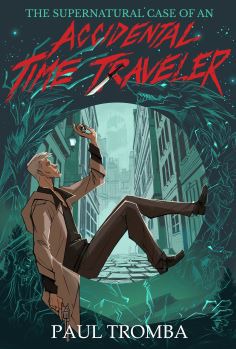
BAHHHHH. You gotta be kidding me. Perhaps you become a veteran for too long, you even slacked off in trying to write a proper synopsis.

1. Weak Opening Hook
Critique:

“Ever consider going back in time? Is it on purpose and to a specific time? Well, not this time…”
  • This opener is casual, vague, and lacks impact. It reads more like a ramble than a gripping hook. You want to immediately draw the reader in with stakes, intrigue, or a unique angle.
Why it’s bad:
  • It doesn’t set a clear tone (is it humorous, serious, or suspenseful?).
  • It also doesn’t make Lou or the premise stand out from countless other time travel stories.
Fix Suggestion:
Start with something punchy, like:
"When Lou Barrett wakes up in 1888 Victorian England with no clue how he got there—and a supernatural organization watching his every move—he realizes time travel isn’t his only problem."

2. Overly General and Passive
Critique:

“This story is the first in a series of time-travel escapades with various supernatural and mythological undertones scattered throughout the world.”
  • This line is vague and full of filler. “Time-travel escapades,” “various supernatural and mythological undertones,” and “scattered throughout the world” are all non-specific and passive.

Why it’s bad:
  • Doesn’t tell the reader what actually makes the story unique.
  • “Undertones” makes the supernatural/mythological parts feel like an afterthought, not a feature.

Fix Suggestion:
Be specific and active. For example:
“In a world where ancient myths walk among men, Lou must uncover why he was dragged through time—and what dark force is rewriting history.”

3. Lou Barrett Is a Blank Slate
Critique:

“It follows Lou Barrett, a British man who finds himself lost in 1888 UK…”
  • That’s all we get about the main character. There’s no voice, no personality, no stakes. Just being “a British man” lost in time is not enough to make him memorable.
Why it’s bad:
  • Readers won’t care about the story if they don’t get a taste of who the character is or what drives him.
Fix Suggestion:
Give us a hint of Lou’s character or motivation.
“Lou Barrett, a cynical ex-soldier with a knack for trouble, finds himself mysteriously transported to 1888—on the eve of one of history’s most infamous killing sprees.”

4. Unclear Genre and Tone
  • The synopsis says it’s a “supernatural thriller,” “historical fiction,” “mythology,” and “real-world legends”, but doesn’t clarify how these genres interact. Are we talking gritty realism with fantasy? Campy adventure? Dark mystery?
Why it’s bad:
  • Lack of tonal clarity can lead readers to misunderstand the type of story they’re getting, resulting in frustration or disinterest.
Fix Suggestion:
Establish a tone with one strong comparison or mood:
“Fans of The Dresden Files and Jonathan Strange & Mr Norrell will find themselves right at home…”
Or:
“A gritty blend of supernatural noir and historical mystery…”

5. Generic Call to Action
Critique:

“You may support the author if you so wish by purchasing the official novel or by leaving a comment, like, and/or review.”
  • Polite but uninspired. Also, this CTA doesn’t belong in the synopsis — it’s best reserved for an end note or author's profile.
Why it’s bad:
  • Weakens the emotional or narrative punch of the blurb.
  • Makes the reader feel like they’re reading a marketing message, not a story invitation.
Fix Suggestion:
Remove it from the synopsis and move it elsewhere. Or keep it short and casual as an afterthought like:
“Enjoyed the story? Consider leaving a comment or review!”


Your Chapter 1:
Kah. As expected from a veteran. Your foundation is damn solid.

Unfortunately, our main focus here is critic. I've given you the praise you needed.

1. Vague and Overwritten Prose
What’s wrong:

The prose tends to be dense, flowery, and sometimes redundant — which makes it hard to follow, especially at the beginning.
Examples:
“Cold and distant, yet still alive, like a spectre of inconsistencies that shared a common purpose.”
“The being's tandem tone of devilish intrigue and a satirical simper made form in its expression of a sadistic humanoid smirk where the voice had previously bemoaned.”
These are over-complicated, and often use too many abstract or clashing metaphors at once. It becomes stylistically bloated, which might cause readers to lose interest or miss key ideas.

Suggestion to fix:
Aim for clarity and precision. Ask: Is this sentence clear? Does it move the story forward?

2. The Opening Is Confusing and Low-Stakes
What’s wrong:

Your story starts with a disembodied cosmic narrator — an abstract entity that watches Earth and picks Lou. While that can work, it feels disconnected from character or tension, especially because we don't yet care about Lou or the world.

Why it’s bad:
Readers need a point of reference early on: someone to connect with, a setting to ground them, or a problem to care about. This opening reads more like a philosophical prologue than a compelling hook.

Suggestion to fix:
Start with Lou in the dream or a moment of immediate mystery, and integrate the cosmic being later for impact. Or cut the cosmic part significantly and make it tighter.

3. Dream Sequence Overload
What’s wrong:

The dream sequence is long and abstract, introducing symbolic imagery (the masked figure, mirrors, alternate selves) before the reader has a sense of Lou as a person.

Why it’s bad:
Dream sequences don’t land unless the reader already understands what’s at stake or who the dreamer is. Right now, the symbolism is rich, but we don’t know Lou well enough to care.

Suggestion to fix:
Cut or streamline the dream. Use shorter bursts of surrealism tied to specific fears, memories, or emotions that reflect who Lou is. Ground the reader before abstracting.

4. Weak Character Establishment
What’s wrong:

Lou is a passive observer through most of the chapter. We’re told he’s afraid, confused, or curious — but we don’t see enough personality, motivation, or voice.

Why it’s bad:
If Lou is the protagonist, readers need to connect with him quickly. Right now, he’s a blank slate, and the cosmic/dream-heavy prose keeps us at a distance.

Suggestion to fix:
Give Lou a clearer voice — internal thoughts, snark, panic, questions, memories. Something to latch onto. Let the reader feel what it’s like to be him in this moment.

5. Inconsistent Tone
What’s wrong:

The chapter fluctuates between poetic cosmic narration, horror imagery (the mask, the jagged teeth), and fantasy introspection (alternate selves, starlight hands).

Why it’s bad:
The tone doesn’t feel cohesive. This can confuse readers about what kind of story they’re in — horror? fantasy? psychological mystery?

Suggestion to fix:
Decide early what the tone should be (e.g., dark fantasy, cosmic horror, metaphysical adventure), and align your language, pacing, and imagery to that tone.

Unfortunately, I stopped at the first chapter-- because:
"Well, that was boring,"
 

Representing_Tromba

Sleep deprived mess of an author begging for feedb
Joined
Jan 29, 2020
Messages
5,969
Points
233
So, Representing_Tromba, are you here to test me? Your silence to silently post your new work here is choking me.
You are basically a veteran like me-- how shameless of you. Did you lost your confidence after writing so many stories and lost your way? You even had a work that's selling on Amazon.
Nevertheless, I'm just here to do my job, and that is criticising your new work. I don't care whether you had 5 star ratings. I don't care whether you had 131 favourites.

So starting from your synopsis:

BAHHHHH. You gotta be kidding me. Perhaps you become a veteran for too long, you even slacked off in trying to write a proper synopsis.

1. Weak Opening Hook
Critique:


  • This opener is casual, vague, and lacks impact. It reads more like a ramble than a gripping hook. You want to immediately draw the reader in with stakes, intrigue, or a unique angle.
Why it’s bad:
  • It doesn’t set a clear tone (is it humorous, serious, or suspenseful?).
  • It also doesn’t make Lou or the premise stand out from countless other time travel stories.
Fix Suggestion:
Start with something punchy, like:


2. Overly General and Passive
Critique:


  • This line is vague and full of filler. “Time-travel escapades,” “various supernatural and mythological undertones,” and “scattered throughout the world” are all non-specific and passive.

Why it’s bad:
  • Doesn’t tell the reader what actually makes the story unique.
  • “Undertones” makes the supernatural/mythological parts feel like an afterthought, not a feature.

Fix Suggestion:
Be specific and active. For example:


3. Lou Barrett Is a Blank Slate
Critique:


  • That’s all we get about the main character. There’s no voice, no personality, no stakes. Just being “a British man” lost in time is not enough to make him memorable.
Why it’s bad:
  • Readers won’t care about the story if they don’t get a taste of who the character is or what drives him.
Fix Suggestion:
Give us a hint of Lou’s character or motivation.


4. Unclear Genre and Tone
  • The synopsis says it’s a “supernatural thriller,” “historical fiction,” “mythology,” and “real-world legends”, but doesn’t clarify how these genres interact. Are we talking gritty realism with fantasy? Campy adventure? Dark mystery?
Why it’s bad:
  • Lack of tonal clarity can lead readers to misunderstand the type of story they’re getting, resulting in frustration or disinterest.
Fix Suggestion:
Establish a tone with one strong comparison or mood:


5. Generic Call to Action
Critique:


  • Polite but uninspired. Also, this CTA doesn’t belong in the synopsis — it’s best reserved for an end note or author's profile.
Why it’s bad:
  • Weakens the emotional or narrative punch of the blurb.
  • Makes the reader feel like they’re reading a marketing message, not a story invitation.
Fix Suggestion:
Remove it from the synopsis and move it elsewhere. Or keep it short and casual as an afterthought like:


Your Chapter 1:
Kah. As expected from a veteran. Your foundation is damn solid.

Unfortunately, our main focus here is critic. I've given you the praise you needed.

1. Vague and Overwritten Prose
What’s wrong:

The prose tends to be dense, flowery, and sometimes redundant — which makes it hard to follow, especially at the beginning.
Examples:


These are over-complicated, and often use too many abstract or clashing metaphors at once. It becomes stylistically bloated, which might cause readers to lose interest or miss key ideas.

Suggestion to fix:
Aim for clarity and precision. Ask: Is this sentence clear? Does it move the story forward?

2. The Opening Is Confusing and Low-Stakes
What’s wrong:

Your story starts with a disembodied cosmic narrator — an abstract entity that watches Earth and picks Lou. While that can work, it feels disconnected from character or tension, especially because we don't yet care about Lou or the world.

Why it’s bad:
Readers need a point of reference early on: someone to connect with, a setting to ground them, or a problem to care about. This opening reads more like a philosophical prologue than a compelling hook.

Suggestion to fix:
Start with Lou in the dream or a moment of immediate mystery, and integrate the cosmic being later for impact. Or cut the cosmic part significantly and make it tighter.

3. Dream Sequence Overload
What’s wrong:

The dream sequence is long and abstract, introducing symbolic imagery (the masked figure, mirrors, alternate selves) before the reader has a sense of Lou as a person.

Why it’s bad:
Dream sequences don’t land unless the reader already understands what’s at stake or who the dreamer is. Right now, the symbolism is rich, but we don’t know Lou well enough to care.

Suggestion to fix:
Cut or streamline the dream. Use shorter bursts of surrealism tied to specific fears, memories, or emotions that reflect who Lou is. Ground the reader before abstracting.

4. Weak Character Establishment
What’s wrong:

Lou is a passive observer through most of the chapter. We’re told he’s afraid, confused, or curious — but we don’t see enough personality, motivation, or voice.

Why it’s bad:
If Lou is the protagonist, readers need to connect with him quickly. Right now, he’s a blank slate, and the cosmic/dream-heavy prose keeps us at a distance.

Suggestion to fix:
Give Lou a clearer voice — internal thoughts, snark, panic, questions, memories. Something to latch onto. Let the reader feel what it’s like to be him in this moment.

5. Inconsistent Tone
What’s wrong:

The chapter fluctuates between poetic cosmic narration, horror imagery (the mask, the jagged teeth), and fantasy introspection (alternate selves, starlight hands).

Why it’s bad:
The tone doesn’t feel cohesive. This can confuse readers about what kind of story they’re in — horror? fantasy? psychological mystery?

Suggestion to fix:
Decide early what the tone should be (e.g., dark fantasy, cosmic horror, metaphysical adventure), and align your language, pacing, and imagery to that tone.

Unfortunately, I stopped at the first chapter-- because:
Understandable. That is why I asked for critique. People don't give very good criticism often so thank you. I will work on it. As for synopsis... I know it is awful but I am terrible at writing them.
 

OniKaniki

Member
Joined
Aug 15, 2025
Messages
62
Points
18
hello, if you don't mind gender bender tag, pls check out my story, thanks!
 

LuciferVermillion

The sadist & madman
Joined
Nov 29, 2020
Messages
111
Points
83
hello, if you don't mind gender bender tag, pls check out my story, thanks!
Fortunately for you, gender bender tags would depends on how the author brings it out. You are lucky, because I dislike 90% of the gender bender genres, which, Your Name falls perfectly into that, and yet I like that movie.

Moving on.

Firstly, here comes your synopsis:
I will forgive you since this is your first work. But, that doesn't mean you could just randomly write anything you want into the synopsis. For god's sake that's a synopsis not author's note.

1. Overstuffed Genre and Tag Dumping
"Also some other tag: Isekai, weak to strong, gender bender, fighting, multiple bodies, character growth..."
  • Problem: Listing 20+ tags reads more like a marketing checklist than a compelling hook. It overwhelms the reader and dilutes focus.
  • Fix: You are allowed to put how many relevant tags you like, but trim it down to the core 5–7 relevant tags, or weave them naturally into a paragraph to preserve flow.

2.. Poor Grammar, Typos, and Clunky Phrasing
Examples:
  • "he find his existence…"
  • "some questionable scene"
  • "couldn't forget, smart enemies!"
  • "this also could cause Multiple POV’s"
  • Problem: These errors lower the professionalism and trust in the author's craft.
  • Fix: Do a thorough grammar and clarity edit. Here's a revised version of a few lines:
    "This story contains mature themes, including violence and morally ambiguous scenes. Expect intelligent and cunning characters—both allies and enemies."

3. Vague Stakes and Goal
"…letting go of the regrets of her past life? Or will she be swallowed by the darkness, unable to escape?"
  • Problem: The core conflict is unclear. What exactly does the protagonist want? What’s at stake?
  • Fix: Be more specific about the goal (e.g., regaining memories, escaping the portrait, etc.) and the obstacles.

Might as well criticise on your author's note.
Author Note Needs Refinement
"Konakiri, this was my first novel! Congratulations to me, yay!"
  • Problem: It's charming, but too casual. Some readers might not take it seriously.
  • Fix: Keep it warm but professional:
    “Thank you for checking out my first novel! I’ll be updating 2–3 chapters weekly, each around 1.5k–3k words. Hope you enjoy the ride!”

Chapter 1:​

That said, for a first timer you are already better than most. However, my main job is to criticise you.

1. Overstretched Pacing / Repetitive Monotony

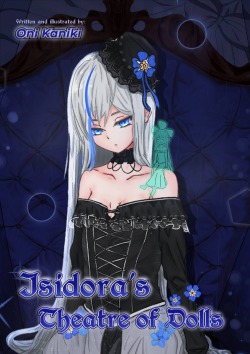
  • Issue: The entire chapter is a long, slow meditation on one man visiting a painting over the course of years, with only minimal narrative progression.
  • Result: The narrative drags after the midpoint and risks reader fatigue. Many scenes feel repetitive (daily talks, aging, housekeeping), even if emotionally intentional.
Why it matters: Pacing needs rhythm—slow is fine, but it needs narrative turns or discovery to sustain interest. Here, not much happens until the very last paragraph.

Fix: Tighten the middle. Combine repeated moments (e.g. housekeeping, aging rituals) into briefer beats. Introduce progressive revelations about Isidora, the man, or the world earlier on.

2. Genre Clash at the Ending
"FUCKIN DIPSHIT, JUST DIE ALREADY FOR GOD’S SAKE!”
  • Issue: The tone of the entire chapter is solemn, melancholic, atmospheric—and then you suddenly whip the reader with a comedic, vulgar line. It’s jarring and undermines the emotional buildup.
  • Result: Instead of catharsis or poignancy, readers may feel confusion, disappointment, or see it as a cheap joke.
Why it matters: Tone needs to be consistent or intentionally broken for good reason. Here, the break feels like parody, not plot twist or irony.
Fix Options:
  • Remove or soften the comedic line to maintain the tragic tone.
  • OR foreshadow the voice earlier with hints of psychological instability or external intrusion.
  • OR use this as a turning point for genre switch (but do it much earlier in the chapter so the reader is ready).

3. Lack of Clarity on Who the Man Is
  • Issue: The man is emotionally rich, but narratively flat. We never learn his name, motivation, or backstory beyond “he misses Isidora.”
  • Result: Emotional investment becomes harder because he’s a mystery—even at death. Who was he to her? Father? Grandfather? Creator? Why is the portrait magical?
Fix: Drop subtle breadcrumbs—memory fragments, a faded photo, monologues—to flesh out his role. Even a small reveal adds depth.

4. Awkward Grammar / Style in Places
Example issues:
  • “the breath within him weakened.” → unnatural phrasing.
  • “His body now became frail…” → awkward verb use.
  • “His head tilted with eyes still stared forward…” → needs tense correction.
  • “it’s still a lifeless piece…” → should be its, not it’s (grammar error).
Why it matters: These small glitches add up and make prose feel unpolished or amateurish even when the emotional intent is strong.
Fix: Do a grammar/flow pass. Even better—read the chapter out loud and mark what sounds odd or robotic.

5. Lack of Worldbuilding Integration
  • Issue: The mansion, portrait, voice, and Isidora suggest fantasy/supernatural elements, but there’s no clear connection or stakes tied to them.
  • Result: The setting feels rich, but meaningless. Why does she matter? Why is he talking to her? Why is the painting special?
Fix: Add subtle worldbuilding elements—sigils, a mysterious journal, rituals, or lore fragments—to anchor the emotional arc in a broader narrative.

6. No Payoff or Foreshadowing for Final Twist
  • Issue: The abrupt vulgar outburst at the end appears from nowhere. If it’s an actual voice, who/what is it? If it’s just psychological collapse, there’s no build-up.
  • Result: Readers may feel emotionally betrayed or laugh at a scene that was meant to be poignant.
Fix: If the MAIN goal is horror or black comedy, start threading that tone way earlier in the chapter. If not, cut or rework that ending line for tonal cohesion.

In conclusion:
Stopped at Chapter 1. Couldn't bring myself to Chapter 2 because of the straight line.
 
Last edited:

DarkCosmos

Active member
Joined
Apr 14, 2025
Messages
43
Points
33
Here you go,
Truth Beyond the Veil
The first arc is almost finished, and I'm planning to go back and edit it after it's complete. Any feedback would be a huge help!
 
Last edited:

OniKaniki

Member
Joined
Aug 15, 2025
Messages
62
Points
18
Fortunately for you, gender bender tags would depends on how the author brings it out. You are lucky, because I dislike 90% of the gender bender genres, which, Your Name falls perfectly into that, and yet I like that movie.

Moving on.

Firstly, here comes your synopsis:
I will forgive you since this is your first work. But, that doesn't mean you could just randomly write anything you want into the synopsis. For god's sake that's a synopsis not author's note.

1. Overstuffed Genre and Tag Dumping

  • Problem: Listing 20+ tags reads more like a marketing checklist than a compelling hook. It overwhelms the reader and dilutes focus.
  • Fix: You are allowed to put how many relevant tags you like, but trim it down to the core 5–7 relevant tags, or weave them naturally into a paragraph to preserve flow.

2.. Poor Grammar, Typos, and Clunky Phrasing
Examples:
  • "he find his existence…"
  • "some questionable scene"
  • "couldn't forget, smart enemies!"
  • "this also could cause Multiple POV’s"
  • Problem: These errors lower the professionalism and trust in the author's craft.
  • Fix: Do a thorough grammar and clarity edit. Here's a revised version of a few lines:

3. Vague Stakes and Goal

  • Problem: The core conflict is unclear. What exactly does the protagonist want? What’s at stake?
  • Fix: Be more specific about the goal (e.g., regaining memories, escaping the portrait, etc.) and the obstacles.

Might as well criticise on your author's note.
Author Note Needs Refinement

  • Problem: It's charming, but too casual. Some readers might not take it seriously.
  • Fix: Keep it warm but professional:

Chapter 1:​

That said, for a first timer you are already better than most. However, my main job is to criticise you.

1. Overstretched Pacing / Repetitive Monotony

  • Issue: The entire chapter is a long, slow meditation on one man visiting a painting over the course of years, with only minimal narrative progression.
  • Result: The narrative drags after the midpoint and risks reader fatigue. Many scenes feel repetitive (daily talks, aging, housekeeping), even if emotionally intentional.
Why it matters: Pacing needs rhythm—slow is fine, but it needs narrative turns or discovery to sustain interest. Here, not much happens until the very last paragraph.

Fix: Tighten the middle. Combine repeated moments (e.g. housekeeping, aging rituals) into briefer beats. Introduce progressive revelations about Isidora, the man, or the world earlier on.

2. Genre Clash at the Ending

  • Issue: The tone of the entire chapter is solemn, melancholic, atmospheric—and then you suddenly whip the reader with a comedic, vulgar line. It’s jarring and undermines the emotional buildup.
  • Result: Instead of catharsis or poignancy, readers may feel confusion, disappointment, or see it as a cheap joke.


  • Remove or soften the comedic line to maintain the tragic tone.
  • OR foreshadow the voice earlier with hints of psychological instability or external intrusion.
  • OR use this as a turning point for genre switch (but do it much earlier in the chapter so the reader is ready).

3. Lack of Clarity on Who the Man Is
  • Issue: The man is emotionally rich, but narratively flat. We never learn his name, motivation, or backstory beyond “he misses Isidora.”
  • Result: Emotional investment becomes harder because he’s a mystery—even at death. Who was he to her? Father? Grandfather? Creator? Why is the portrait magical?


4. Awkward Grammar / Style in Places
Example issues:
  • “the breath within him weakened.” → unnatural phrasing.
  • “His body now became frail…” → awkward verb use.
  • “His head tilted with eyes still stared forward…” → needs tense correction.
  • “it’s still a lifeless piece…” → should be its, not it’s (grammar error).


5. Lack of Worldbuilding Integration
  • Issue: The mansion, portrait, voice, and Isidora suggest fantasy/supernatural elements, but there’s no clear connection or stakes tied to them.
  • Result: The setting feels rich, but meaningless. Why does she matter? Why is he talking to her? Why is the painting special?


6. No Payoff or Foreshadowing for Final Twist
  • Issue: The abrupt vulgar outburst at the end appears from nowhere. If it’s an actual voice, who/what is it? If it’s just psychological collapse, there’s no build-up.
  • Result: Readers may feel emotionally betrayed or laugh at a scene that was meant to be poignant.


In conclusion:
Stopped at Chapter 1. Couldn't bring myself to Chapter 2 because of the straight line.
i see, thanks for the feedback, that's actually helpful! (funny how my gerne tag fall into 90% of your 'I will not accept no matter what', only 10% left for it to be on display)
 

LuciferVermillion

The sadist & madman
Joined
Nov 29, 2020
Messages
111
Points
83
Here you go,
Truth Beyond the Veil
The first arc is almost finished, and I'm planning to go back and edit it after it's complete. Any feedback would be a huge help!
Then it's at most a draft if you plan to re-edit.

Anyways, let's start with your synopsis:
Congratulations, it's the first time an author finally nails a synopsis.
However, what you have at most is the structure of the synopsis. I had no idea what you are trying to show.

1. Vague Language and Familiar Tropes
  • Examples:
    • “strange event”
    • “powers they can’t explain”
    • “the world isn’t what it seems”
    • “secrets far greater than anything they could have imagined”
These are broad, commonly used phrases that don't give much specific flavour or uniqueness to your story. They’re functional, but not memorable. Can't you give these common phrases a name that could make your readers remember?

Suggestion: Try to hint at what makes this story or world unique. Even a small detail (like the nature of the powers, or what’s strange about the world) would help ground the reader and pique interest.

2. Unclear Stakes or Conflict
  • The synopsis tells us they’re exploring, discovering secrets, and searching for a way back home—but what’s at risk if they don’t? What’s the central conflict? If nothing happens, why bother?
Suggestion: Clarify what’s driving the tension. Is there a ticking clock? A threat chasing them? A choice that will test their friendship?

3. Lack of Character Distinction
  • “Three close friends” is a generic grouping. We don’t learn anything about who they are, what their dynamic is, or how they change.
Suggestion: Give a glimpse of their personalities or how their friendship plays into the journey. This adds emotional depth and makes us care.

4. Repetition of Familiar Concepts
  • “Journey that spans more than just one world” and “they were never meant to stay on Earth” are interesting but echo many existing sci-fi/fantasy themes.
Suggestion: If you have a twist on the “they’re not from Earth” idea, hint at that twist. It can be subtle, but showing your unique spin will help it stand out.

5. Tone and Pacing
  • The tone is solid, but the pacing feels a bit flat due to similar sentence structure. Most lines follow a pattern of “They do X, but then Y.”
Suggestion: Vary sentence rhythm and use more evocative imagery or language to elevate the emotional stakes.

Here's a quick example:

After a blinding celestial event, three lifelong friends awaken with impossible abilities—and no idea why. Their search for answers takes them across strange lands and forgotten ruins, revealing creatures and civilizations lost to time.
But the deeper they dig, the more they unravel a haunting truth: they don’t belong here. Earth was never their home—and something wants them to remember why.
As their bond is tested by revelations and cosmic forces, they must decide what matters more: returning to where they came from, or shaping the future of the world they’ve come to know.
A story of identity, friendship, and a journey that begins with awakening—but ends across the stars.

Twas just a sample, don't even think of using this you hear?

Now, for your Chapter 1:
1. Thematic Disconnection Between Sections
  • The transition from cosmic monologue to casual dorm-room banter is jarring. It feels like two separate stories.
  • If this contrast is intentional, you need a smoother bridge—perhaps show how the writing at the beginning is the writer’s in-universe journal or blog post, or make the transition clearer (e.g., fading from the narrator’s thoughts into real-time).
Suggestion: Frame the philosophical intro more clearly as something the character is actively writing (or even reciting in voice-over). For example:
He paused, fingers hovering above the keys. That’s how he’d start the story. Big, vague, dramatic—but maybe that was okay.

2. Overuse of Vague Language
  • Phrases like “strange force,” “moment of fate,” “mysteries of the cosmos,” and “something ancient” feel abstract and under-defined.
  • These are emotionally suggestive but lack specificity—making them less impactful. Too much vague information means you don't even have a solid foundation in your story. It's like tossing some milk powder into a distilled water, and mix it with some chocolate powder, it becomes a murky water and not chocolate milk.
Suggestion: Give us a concrete image or unique detail. Even a weird, specific metaphor (e.g., “it pulsed through me like static clinging to my bones”) can make vague ideas visceral.

3. Pacing Issues
  • The intro monologue is a bit too long without anything happening. Readers might check out before the story picks up.
  • The narrative shift comes too late and doesn't have a strong enough hook at the end to balance the slow burn.
Suggestion: Either tighten the intro or intersperse it with glimpses of the present (i.e., the trio preparing for something big). Start blending narrative threads earlier.

4. “Come to etherealarchive.com for more”
  • Dude, really now? Why the heck did you put this link into your story? And it happened twice. Are you a joke?
  • This repeated line rips the reader out of the story.
  • It currently feels like an ad dropped mid-chapter.
Suggestion: Proofread you little shit. Why bother to ask if you don't even read it yourself?

5. Smaller Style Notes
  • “I was just... ordinary.” → Cliché. You might rephrase or add a personal touch. Maybe what made them feel ordinary (e.g., "just another background character in someone else's story").
  • “I didn’t know it then, but...” → A little overused as a framing device. Consider a fresher way to signal retrospective awareness.

Conclusion: WHERE'S YOUR PROOFREAD? DID YOU JUST COPY THIS FROM ANOTHER SITE AND DUMP IT HERE? Shameless of you to even ask a criticism for this half-ass work. Don't even bother calling yourself an author, I can't feel your heart and soul in it.
 

CharlesEBrown

Well-known member
Joined
Jul 23, 2024
Messages
4,570
Points
158
Oh hey, CharlesEBrown, you are also quite active in the forum, almost the same as Rookieqw. I saw you liking almost every reply in this forum.

Oh gee, what's surprising is that I found a related series to this book.
1. Diamond in the Rough (Prequel)
2. Strange Awakening (Shared Universe)

So... why are you showing those two as related series? Are you expecting your readers to read them? At least, I wouldn't read them. Until I take a look at your current story.

First off, your synopsis, the summary of your story:
Again, this isn't the first time I've seen authors who doesn't know how to write a synopsis. It's quite surprising that the number of authors who doesn't know how to write a synopsis is quite unexpected.

So first things first, your author's note that you forcibly inserted into the synopsis.

1. It Doesn’t Read Like a Synopsis
Problem:

This reads more like a snippet of dialogue from the book, not a proper synopsis or blurb. A synopsis should:
  • Introduce the main character and setting.
  • Set up the main conflict or mystery.
  • Tease the stakes or unique hook.
  • Make the reader want to click "Read More."
Right now, it:
  • Tells us almost nothing about the story.
  • Leaves out key info like what kind of monsters, the world it’s set in, or what’s at stake.

Perhaps you could write a 2–3 paragraph synopsis that:
  • Describes Jack Diamond and his world (Is it noir? Urban fantasy? Post-apocalyptic?)
  • Teases the central case or mystery in this book, not just that someone wants to hire him.
  • Shows what makes this monster hunter story different from others.

2. Lack of Context or Genre Markers
Problem:

Without genre clues, it's hard to know what kind of story this is. Is it gritty urban fantasy? Noir detective thriller? Campy monster-hunting pulp?

Why it matters:
If readers don’t know what kind of ride they’re in for, they’re less likely to be intrigued or trust the tone.

Fix:
Add clear genre flavor in your synopsis:

That tells us tone, world, and conflict in one punchy line.

3. The Dialogue Snippet Is Too Vague
Problem:

The only real "story" detail we get is:

It’s vague. Who is the person asking? Why is it strange or dangerous to work for a monster? What’s the twist?
This is more confusing than intriguing on its own, especially without knowing Jack’s voice, the world, or the situation.

Fix:
If you want to keep a dialogue quote, make it more loaded with tension or curiosity — and place it below the actual synopsis as a teaser.

4. Update Schedule Doesn't Belong in the Synopsis
Problem:

Including update info in the synopsis distracts from the hook and can signal inconsistency or hesitation. It also ages quickly (e.g., "hopefully back to once a week soon" won't be true later).

Fix:
Put update info in an author’s note, not the blurb. Keep the synopsis focused on story and character.

Now. for your Chapter 1:
1. Your current opener:

Pfft. Just stop it. You are killing me.

It works for humor, but the "dick" line may lose some readers who don’t recognize the slang. You might consider a rephrased opener that still shows voice but is a bit smoother:


2.. Overuse of Rambling Asides
Issue:

Some of Jack's internal asides (especially about his apartment, Carol, furniture, etc.) slow the pacing and occasionally veer off-course.

Examples:


Why it’s a problem:

A little character flavor is great, but too many of these comparisons distract from the scene and dilute tension. This is especially true before a mysterious job offer from a potential monster-employer.

Fix:
Trim or rework some of the "X is bigger/more expensive than my apartment/wardrobe/etc." lines. You only need one of those to establish that Jack lives modestly and is out of his depth. Keep it punchy and purposeful.

3.. Repetition and Redundancy
Issue:

Some ideas or descriptions are repeated or over-explained.

Example:

This could be tightened. Also, the desk is mentioned twice in a similar way as very expensive.

Fix:
Look for opportunities to combine or trim sentences to improve flow.

4. Dialogue Attribution and Formatting
Issue:

Some dialogue formatting and punctuation could use cleanup.

Examples:
  • Capitalization error:

    → That "While" should be lowercase.
  • Inconsistent spacing:
  • Dialogue tag clarity:

    → Should be capitalized if it's a direct quote: “Bourbon or gin?”
Fix:
Give the chapter a formatting pass to remove extra spaces and fix punctuation/capitalization for a smoother read.

5. Where’s Carol?
Issue:

Carol is mentioned briefly twice (once about a chair, once about wardrobe), but it’s unclear who she is — partner? Roommate? Wife?

Fix:
You can either:
  • Clarify her briefly in one line (“my girlfriend Carol and I,” etc.)
  • Or remove the reference if it’s not important in this chapter.

6. Pacing Could Be Tighter
Issue:

The chapter spends a lot of time on the arrival and room description before getting to the real meat: Trevor’s mysterious request.

Fix:
Consider trimming 10–15% of the description to get us to the client’s reveal faster. Readers want to hit the hook early, especially in the first chapter.

Congratulations:
I read past Chapter 1, which means Chapter 2.

1. Heavy Info Dump
The vampire lore feels like a textbook passage. It slows down the pace and reads like the narrator is teaching the reader instead of telling a story. This can bore or overwhelm readers.
2. Unnatural Dialogue
Trevor’s long-winded explanations sound forced and too “on the nose.” Real conversations don’t usually flow this way — it feels like he’s just reciting facts instead of talking to someone.
3. Inconsistent Tone
The narrator’s voice switches awkwardly between sarcastic and serious. This makes it hard to connect emotionally or understand the mood.
4. Too Many Asides and Jokes
The side comments about senators’ blood or Bugattis feel distracting and out of place. It can make the writing seem amateurish or unfocused.
5. Clunky and Wordy Sentences
Some sentences are awkward or overcomplicated, making it harder to follow the story.
6. Cliché Phrases
Phrases like “trouble walked in” feel tired and unoriginal. It doesn’t add anything fresh or memorable.
7. Weak Character Introduction for Jessica
The teaser about Jessica feels flat and doesn’t build real anticipation or interest.
8. Grammar and Punctuation Errors
Misuse of commas and capitalization in dialogue tags distracts and lowers the professional polish.

And I stopped. Although you had a solid premise, but:
  • Pacing Issues:
    Long info dumps and exposition slow the narrative down and can make readers lose interest before the action starts.
  • Lack of Immediate Conflict:
    The chapters so far are mostly setup. The actual tension or danger hasn’t hit yet — the story needs a stronger hook or event to grip readers early.
  • Character Dynamics:
    Jack and Trevor feel a bit one-dimensional so far. We don’t see much of their personalities beyond surface traits or dialogue, which makes it harder to connect emotionally.
  • Atmosphere & Setting:
    The setting descriptions (like the mansion) are vivid but don’t yet create a strong sense of mood or tension that pulls readers in deeply.
Too much to address really here - if I get a chance to get back to this story (currently struggling to just finish the current chapters of my two for PocketFM, and keeping two other stories that want to be told on a back burner) I'll definitely keep a lot of this in mind. Not all, but a lot.
This is the second story in a series, and the first resolves some of the issues mentioned (Jack also shows up for several chapters in Strange Awakening but is not central character...), including exactly who Carol is.
Thanks, though!
 

DarkCosmos

Active member
Joined
Apr 14, 2025
Messages
43
Points
33
Then it's at most a draft if you plan to re-edit.

Anyways, let's start with your synopsis:
Congratulations, it's the first time an author finally nails a synopsis.
However, what you have at most is the structure of the synopsis. I had no idea what you are trying to show.

1. Vague Language and Familiar Tropes
  • Examples:
    • “strange event”
    • “powers they can’t explain”
    • “the world isn’t what it seems”
    • “secrets far greater than anything they could have imagined”
These are broad, commonly used phrases that don't give much specific flavour or uniqueness to your story. They’re functional, but not memorable. Can't you give these common phrases a name that could make your readers remember?

Suggestion: Try to hint at what makes this story or world unique. Even a small detail (like the nature of the powers, or what’s strange about the world) would help ground the reader and pique interest.

2. Unclear Stakes or Conflict
  • The synopsis tells us they’re exploring, discovering secrets, and searching for a way back home—but what’s at risk if they don’t? What’s the central conflict? If nothing happens, why bother?
Suggestion: Clarify what’s driving the tension. Is there a ticking clock? A threat chasing them? A choice that will test their friendship?

3. Lack of Character Distinction
  • “Three close friends” is a generic grouping. We don’t learn anything about who they are, what their dynamic is, or how they change.
Suggestion: Give a glimpse of their personalities or how their friendship plays into the journey. This adds emotional depth and makes us care.

4. Repetition of Familiar Concepts
  • “Journey that spans more than just one world” and “they were never meant to stay on Earth” are interesting but echo many existing sci-fi/fantasy themes.
Suggestion: If you have a twist on the “they’re not from Earth” idea, hint at that twist. It can be subtle, but showing your unique spin will help it stand out.

5. Tone and Pacing
  • The tone is solid, but the pacing feels a bit flat due to similar sentence structure. Most lines follow a pattern of “They do X, but then Y.”
Suggestion: Vary sentence rhythm and use more evocative imagery or language to elevate the emotional stakes.

Here's a quick example:

After a blinding celestial event, three lifelong friends awaken with impossible abilities—and no idea why. Their search for answers takes them across strange lands and forgotten ruins, revealing creatures and civilizations lost to time.
But the deeper they dig, the more they unravel a haunting truth: they don’t belong here. Earth was never their home—and something wants them to remember why.
As their bond is tested by revelations and cosmic forces, they must decide what matters more: returning to where they came from, or shaping the future of the world they’ve come to know.
A story of identity, friendship, and a journey that begins with awakening—but ends across the stars.

Twas just a sample, don't even think of using this you hear?

Now, for your Chapter 1:
1. Thematic Disconnection Between Sections
  • The transition from cosmic monologue to casual dorm-room banter is jarring. It feels like two separate stories.
  • If this contrast is intentional, you need a smoother bridge—perhaps show how the writing at the beginning is the writer’s in-universe journal or blog post, or make the transition clearer (e.g., fading from the narrator’s thoughts into real-time).
Suggestion: Frame the philosophical intro more clearly as something the character is actively writing (or even reciting in voice-over). For example:


2. Overuse of Vague Language
  • Phrases like “strange force,” “moment of fate,” “mysteries of the cosmos,” and “something ancient” feel abstract and under-defined.
  • These are emotionally suggestive but lack specificity—making them less impactful. Too much vague information means you don't even have a solid foundation in your story. It's like tossing some milk powder into a distilled water, and mix it with some chocolate powder, it becomes a murky water and not chocolate milk.
Suggestion: Give us a concrete image or unique detail. Even a weird, specific metaphor (e.g., “it pulsed through me like static clinging to my bones”) can make vague ideas visceral.

3. Pacing Issues
  • The intro monologue is a bit too long without anything happening. Readers might check out before the story picks up.
  • The narrative shift comes too late and doesn't have a strong enough hook at the end to balance the slow burn.
Suggestion: Either tighten the intro or intersperse it with glimpses of the present (i.e., the trio preparing for something big). Start blending narrative threads earlier.

4. “Come to etherealarchive.com for more”
  • Dude, really now? Why the heck did you put this link into your story? And it happened twice. Are you a joke?
  • This repeated line rips the reader out of the story.
  • It currently feels like an ad dropped mid-chapter.
Suggestion: Proofread you little shit. Why bother to ask if you don't even read it yourself?

5. Smaller Style Notes
  • “I was just... ordinary.” → Cliché. You might rephrase or add a personal touch. Maybe what made them feel ordinary (e.g., "just another background character in someone else's story").
  • “I didn’t know it then, but...” → A little overused as a framing device. Consider a fresher way to signal retrospective awareness.

Conclusion: WHERE'S YOUR PROOFREAD? DID YOU JUST COPY THIS FROM ANOTHER SITE AND DUMP IT HERE? Shameless of you to even ask a criticism for this half-ass work. Don't even bother calling yourself an author, I can't feel your heart and soul in it.
Thanks for the feedback. I would like to clarify the link you mentioned, as it was a valid concern.
4. “Come to etherealarchive.com for more”
  • Dude, really now? Why the heck did you put this link into your story? And it happened twice. Are you a joke?
  • This repeated line rips the reader out of the story.
  • It currently feels like an ad dropped mid-chapter.
Suggestion: Proofread you little shit. Why bother to ask if you don't even read it yourself?
That URL is a placeholder from a personal web development project and was mistakenly left in my draft. It is not an ad or a link to another site. I apologize for the confusion this caused.

And again, thanks for your review. I appreciate your other comment and will take that into consideration when I start editing
 
Top