
D
Deleted member 19066
Guest
So I go to this point because I was looking at something cited as The American Chamber of Horrors.
Apparently, before the Pure Food and Drug Act of 1906. Food and drug manufacturers in the US had very few regulations and made a lot of not-so-good things.
 gobigread.wisc.edu
Such as canned meat made using rotting meat, cosmetics that make god blind, and weight loss meds that lower white blood cells to a dangerous level.
So I found out this Pure Food and Drug Act was kind of like the result of the end of the Gilded Age. (1870s to the late 1890) and was one of the progressive reforms in America.
Reading about how the Gilded Age ended, I see many echoes of it today.

 www.history.com
During the Gilded Age of the 1880s.
- The rich grew richer during the Gilded Age, and the poor grew poorer
- 40 per cent of industrial labourers in the 1880s earned below the poverty line of $500 a year
- Political corruption ran amok during the Gilded Age as corporations bribed politicians to ensure government policies favoured big businesses over workers
- By 1890, the wealthiest 1 per cent of American families owned 51 per cent of the country’s real and personal property, while the 44 per cent at the bottom owned only 1.2 per cent.
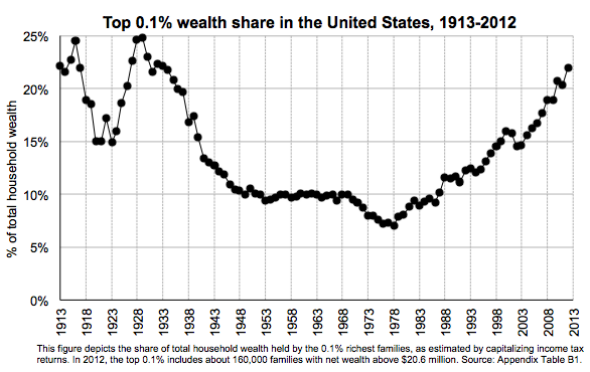
Is this coincidental?
Is history a broken record?
Later there was
there was unrest in Europe, WW1 1914
women's right to vote, 1920
The 1918–1920 flu pandemic
The Great Depression (1929–1939)
WW2 1939
If the pattern holds true in the near future there will be a populist movement for more progressive reforms
perhaps there will be more regulations of megacorps
perhaps reform in health, gender rights and workers' rights,
perhaps reform government bureaucracies
perhaps reform the 2 party system to something else.
and perhaps with the help of renewable, AI and robotics move to another industrial revolution.
Will the roaring 20s will happen again?
Do you feel like the American people are reaching a boiling point and wish for reform that challenges the current political paradigm?
Or maybe the progressive reforms happened and it failed
Perhaps the titans of industry learned from the past and prevented reforms from happening again
Or do you feel it's not so bad?
Apparently, before the Pure Food and Drug Act of 1906. Food and drug manufacturers in the US had very few regulations and made a lot of not-so-good things.
The American Chamber of Horrors | Go Big Read
Such as canned meat made using rotting meat, cosmetics that make god blind, and weight loss meds that lower white blood cells to a dangerous level.
So I found out this Pure Food and Drug Act was kind of like the result of the end of the Gilded Age. (1870s to the late 1890) and was one of the progressive reforms in America.
Reading about how the Gilded Age ended, I see many echoes of it today.
How Gilded Age Corruption Led to the Progressive Era | HISTORY
Corruption and inequality spurred Progressive Era reforms.
During the Gilded Age of the 1880s.
- The rich grew richer during the Gilded Age, and the poor grew poorer
- 40 per cent of industrial labourers in the 1880s earned below the poverty line of $500 a year
- Political corruption ran amok during the Gilded Age as corporations bribed politicians to ensure government policies favoured big businesses over workers
- By 1890, the wealthiest 1 per cent of American families owned 51 per cent of the country’s real and personal property, while the 44 per cent at the bottom owned only 1.2 per cent.
Is this coincidental?
Is history a broken record?
Later there was
there was unrest in Europe, WW1 1914
women's right to vote, 1920
The 1918–1920 flu pandemic
The Great Depression (1929–1939)
WW2 1939
If the pattern holds true in the near future there will be a populist movement for more progressive reforms
perhaps there will be more regulations of megacorps
perhaps reform in health, gender rights and workers' rights,
perhaps reform government bureaucracies
perhaps reform the 2 party system to something else.
and perhaps with the help of renewable, AI and robotics move to another industrial revolution.
Will the roaring 20s will happen again?
Do you feel like the American people are reaching a boiling point and wish for reform that challenges the current political paradigm?
Or maybe the progressive reforms happened and it failed
Perhaps the titans of industry learned from the past and prevented reforms from happening again
Or do you feel it's not so bad?


 As a European, I can only say that the 1880s to 1910s marked an era of unprecedented prosperity and technological development. Also, the idea of ww1 being unrest is quite the understatement.
