I read your criticisms for another novels. This genuinely made me impressed towards your dedication and knowledge.
So I would also like to have your Honest Critique on my novel.
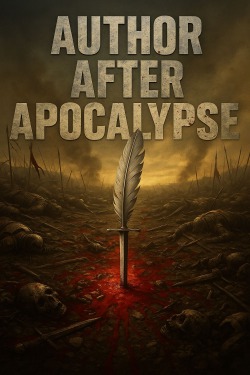
He wrote to escape reality. He wrote to find meaning. But now, the Author finds himself trapped in the very world he created. 'Author After Apocalypse' follows a nameless writer who awakens in the shattered remnants of his own fantasy epic — a world where characters remember the pain he gave...

www.scribblehub.com
Hey, I always give honest critique. Because I can't stand those who gave superficial ones.
Anyways, let's go to your synopsis.
1.
Lack of Clarity and Overuse of Abstract Language:
- "It’s all too vague." The synopsis leans heavily on philosophical language and abstract ideas without clearly explaining what the story is about. Phrases like "journeys through broken storylines" and "philosophical ruins" sound intriguing but are ultimately too nebulous to give the reader a concrete sense of the plot or what the character will actually be doing.
- Example of critique: "What is this book actually about? It's all very metaphorical, but there's no clear direction. What is the author trying to achieve? We don't know."
2.
Overly Intellectual, Might Alienate Casual Readers:
- "Too pretentious." The language in the synopsis ("karma has a face," "soul's attempt to live," "forgotten drafts") could come off as pretentious or overly cerebral for many readers who aren’t looking for deep philosophical musings. For some, it might feel more like an intellectual exercise than a story that’s meant to be engaging or emotionally resonant.
- Example of critique: "The synopsis sounds like it’s trying too hard to be intellectual and deep. I’m not sure if this is a novel or an academic paper about the philosophy of writing."
3.
Unclear Plot, No Hook:
- "What’s at stake here?" The synopsis gives the impression that the Author is trapped in his own world, but it doesn't specify the conflict or stakes of the story. What does the protagonist need to overcome? Why should readers care about his internal struggle? Without this, the narrative feels directionless and doesn’t hook the reader.
- Example of critique: "The plot seems to be about a guy reflecting on his writing, but there’s no indication of what he needs to do to fix things or what’s going to happen. Why should I care?"
4.
Concept Feels Derivative and Overdone:
- "This has been done before." The idea of an author being trapped in their own creation is a familiar one (e.g., The Shining, The Neverending Story, Stranger Than Fiction), and unless the execution is radically different, critics might see it as a recycled concept. The “author confronting their creations” has been explored multiple times, and the synopsis doesn’t give any hint of a unique twist on this trope.
- Example of critique: "This sounds like a million other stories where a writer faces the consequences of their creations. There’s nothing new or exciting here."
5.
The Nameless Protagonist Feels Detached:
- "Why is the protagonist nameless?" The choice to keep the Author nameless could be an artistic decision, but it might also leave the reader feeling disconnected from the character. A nameless protagonist might make it harder for readers to form an emotional attachment or understand the character’s journey, making them seem more like an empty vessel for the philosophical themes than a real person.
- Example of critique: "I get that the Author is supposed to be an everyman, but keeping him nameless makes it hard to care about his journey. It feels like he’s just a stand-in for ideas rather than a fleshed-out character."
6.
Potential to Be Boring and Too Inward-Focused:
- "This could be a slog to read." The heavy philosophical tone and introspective nature of the plot could make this novel feel dry or boring to readers who want more action or external conflict. If the entire focus is on internal musings and regrets, it might risk becoming a monotonous read without compelling external events to break up the reflection.
- Example of critique: "This sounds like it’s all just internal struggles and philosophical ideas. If there’s no action or external conflict, it could quickly become tedious."
7.
Lack of Emotional or Human Connection:
- "Where’s the heart?" The synopsis focuses on the author’s existential crisis and philosophical exploration, but there’s no real sense of emotional depth or human connection. Readers might be left wondering if the novel has enough heart to carry the intellectual weight. If the protagonist is just grappling with abstract ideas, readers could feel that it lacks human warmth or relatable emotions.
- Example of critique: "There’s no mention of relationships, love, or personal stakes. It’s all about the philosophy. I’m not sure I want to read a book that’s so emotionally distant."
8.
Could Come Off as Self-Indulgent:
- "This feels like an author's fantasy." The idea of a writer reflecting on their creations and regrets could come across as self-indulgent or even a bit narcissistic, particularly if the story feels like it's just the author's personal musings on the act of writing rather than an engaging story. This could be seen as a narrative for writers by a writer, with limited appeal outside of that niche.
- Example of critique: "This sounds like a novel that only writers will appreciate. It feels like the author is indulging in their own artistic crisis, and I’m not sure that’s a story I want to read."
9. Too Much Focus on "Meta" Themes:
- "Too much meta, not enough story." If the novel becomes bogged down in too many meta-fictional elements (e.g., stories within stories, the nature of writing itself, philosophical exploration of creation), it might lose the focus on actual storytelling. For some readers, the meta aspect can feel like a distraction from what matters most: a compelling plot with characters that evolve.
- Example of critique: "All this meta stuff about writing might sound clever, but at the end of the day, I want a good story. This synopsis makes it seem like the novel is more interested in being ‘smart’ than telling a real story."
10.
Excessive Use of Overly Abstract or Cryptic Phrases:
- "The synopsis is too cryptic." Some of the phrasing in the synopsis, like “karma has a face” and “philosophical ruins,” could come off as overly cryptic or pretentious without providing enough clear information about the plot or character. This can make the book feel inaccessible or difficult to engage with.
- Example of critique: "The synopsis is full of vague phrases that don’t actually tell me anything concrete about the story. I don’t know what the book is really about or who the protagonist is."
Then, I moved on to your Chapter 1. And here's what I thought:
1.
Lack of Clear Structure and Pacing
- Disjointed transitions: The chapter starts with a dramatic scene of a character surrounded by corpses, then suddenly shifts to a mundane, slice-of-life moment of a man waking up from a nap and interacting with his family. This transition is abrupt and may confuse readers. The pacing fluctuates wildly from a moment of tension to a laid-back family scene, which could feel jarring.
- Unclear conflict: While the opening scene with corpses hints at something dark or tragic, the middle of the chapter has little to no tension. The character's interaction with his family and the editor is mundane and lacks emotional engagement, especially after such a heavy beginning. The shift from a battle-worn scene to a homey setting with family could leave readers wondering what the central plot actually is.
2.
Characterization Issues
- Main character's lack of depth: The protagonist feels somewhat flat. His reaction to finishing his novel seems underwhelming ("It’s really done, huh…?"). There's no real emotional exploration of what this achievement means to him, especially considering the significant impact of completing a novel, even as a hobby. Readers may struggle to connect with him since his internal responses feel distant.
- Unexplained family dynamics: The family members’ reactions to the protagonist waking up and finishing his novel seem exaggerated. The mother and grandmother are in tears, the sister smirks for no clear reason, and the father offers a single nod. These actions may seem overdone or unclear in terms of what they reveal about the family. More depth or context could be given to make their reactions feel more grounded.
- Clichéd character descriptions: The editor’s description ("crisp blue shirt, grey slacks, and black glasses") is very formulaic and doesn’t do much to make him feel like a unique or interesting character. The editor’s piercing eyes and cold demeanor feel cliché, and there’s a lack of detail about what makes their relationship interesting or different from typical "editor-author" dynamics.
3.
Tonal Inconsistency
- Mood shifts too quickly: The contrast between the dramatic opening (with corpses and blood) and the mundane middle section (the protagonist’s family interaction) is stark. Readers may find it hard to stay invested when the tone shifts so rapidly from dark to light-hearted. This dissonance can undermine the emotional impact of the story.
- Lack of emotional weight: After the protagonist finishes his novel and has this seemingly monumental moment with his family, the scene feels almost too casual. The family’s over-the-top reactions seem disconnected from the reality of finishing a creative project. Similarly, the protagonist’s internal monologue lacks any real depth or emotional exploration, making the whole moment feel flat.
4.
Overused Tropes and Clichés
- The "shut-in" character: The protagonist is introduced as a typical "shut-in" type, someone who has isolated themselves to finish their novel. This is a very familiar trope, and while it can work in some contexts, here it feels a little too standard and doesn’t bring much new to the table. The interactions with the family, especially the sister’s line about him waking up from hibernation, feel a bit too clichéd.
- The "cold and calculating" editor: The editor is described in a very stereotypical manner, almost like a "villain" figure who is mysterious and emotionally distant. This overused trope of the editor as a cold, calculating professional can feel one-dimensional unless more is done to subvert it or provide deeper layers to the character.
5.
Unresolved Mysteries (Not in a Good Way)
- The sudden shift to a violent scene: The final paragraph introduces an unexpected twist, where the protagonist is jolted into a scene of chaos and violence, but there is no explanation. The reader is left with "What just happened?" without enough context or setup. This cliffhanger feels more like an attempt to create suspense without properly developing the narrative that would lead to such a moment.
- The world-building feels thin: There's a lot of potential to explore the context of the bloodied corpses and the stench of rot, but the chapter doesn’t offer much explanation. This could be a deliberate choice to maintain mystery, but without enough foreshadowing, it may confuse readers rather than intrigue them.
6.
Dialogue and Narration
- Unrealistic dialogue: The interactions between the protagonist and his family members, especially the sister’s outburst, feel a bit exaggerated. The way people speak, especially in such an emotionally charged moment, might come off as unrealistic or forced. Dialogue that is too quirky or over-the-top can detract from the impact of a scene.
- Over-explanation of details: The detailed physical descriptions of the protagonist, the family, and the editor might distract from the story. Sometimes less is more when it comes to character description—focusing on a few key details that reveal personality or mood might be more effective than painting a full picture.
- There's also lots of places missing their punctuation marks.
There's also a huge disconnection Between Synopsis and Chapter 1, such as:
- Tonality Shift:
The synopsis promises a deeper, philosophical journey about confronting regrets, karma, and facing a world filled with the consequences of the protagonist’s writing. However, Chapter 1 feels much lighter and more comedic in tone. The family interaction, the sister’s exaggerated shout, the father’s pride, and the editor's robotic demeanor feel almost detached from the emotional or philosophical depth suggested by the synopsis. The tone of Chapter 1 is at odds with the more introspective, serious tone of the premise, which might confuse readers about the direction of the story.
Critique: The tonal dissonance between the synopsis and Chapter 1 could cause readers to feel like they’re reading two different stories. The synopsis sets expectations for an intense, internal conflict, while the chapter feels more like a slice-of-life comedy or a mundane drama, with a sudden, dramatic twist at the end. This could be jarring for readers trying to connect with the character’s supposed existential struggle.
- Lack of Apocalypse or Fantasy Elements:
The synopsis mentions an "apocalyptic" setting where the protagonist is trapped in a world he created. Chapter 1 does not show any signs of this apocalypse or fantastical elements—aside from the brief twist of blood and corpses at the end, which doesn’t explain much. There’s no indication of the "broken storylines, forgotten drafts, or philosophical ruins" mentioned in the synopsis.
Critique: The absence of the world-building elements promised in the synopsis is a major disconnect. If the apocalypse or the fictional world are central to the plot, they should be hinted at or introduced more clearly in Chapter 1. As it stands, readers may feel misled or confused about the genre or direction of the story.
- No Clear Conflict Yet:
In the synopsis, the protagonist is clearly trapped in the world he created, and the focus is on his internal journey to face his creations and mistakes. Chapter 1, however, doesn’t yet set up the central conflict. The protagonist is dealing with completing a novel, but there’s no indication that he is trapped in it or experiencing any significant struggle related to his creations.
Critique: The central conflict from the synopsis (the protagonist confronting his creations and regrets) isn't visible in Chapter 1. There’s no clear hint of the struggles with his characters or the consequences of his writing, making the chapter feel disconnected from the larger premise. Without a stronger connection to the core conflict, readers may struggle to understand the story’s larger stakes.
- Weak Introduction to the Protagonist’s Inner Struggles:
The synopsis suggests a profound internal struggle—facing karma, confronting past decisions, dealing with regrets, and rivalries. Chapter 1, however, presents the protagonist as fairly indifferent or passive toward these deeper themes. His reaction to finishing the novel is very underwhelming, and there's little indication of the weight of his actions. The interactions with family members don’t delve into his inner turmoil or his regrets over what he’s created.
Critique: The lack of emotional depth in Chapter 1 makes it difficult for readers to connect with the protagonist on the level promised in the synopsis. If the story is supposed to be about a soul's attempt to live and confront its past, the protagonist’s emotional landscape should be more engaging from the start. As it stands, Chapter 1 doesn’t provide enough insight into his regrets or internal conflicts.
- Underdeveloped Relationship with the Family:
The synopsis suggests that the protagonist is dealing with his creations and potentially even his past relationships. However, the family interactions in Chapter 1 feel trivial and mostly comic. They don't offer much insight into the protagonist's inner world or his past mistakes. Instead, they read more like quirky, comedic filler, with little emotional resonance or thematic relevance to the deeper conflict suggested in the synopsis.
Critique: The family scenes might be fun or light-hearted, but they don’t do much to develop the protagonist's character or build on the existential themes in the synopsis. The relationships with his family should reflect some of the internal conflicts or regrets he’s grappling with, or at least hint at the emotional stakes of the story. Without that, the chapter feels disconnected from the deeper exploration promised in the synopsis.
Suggestions:
- Clarify tone and structure: Try to maintain a more consistent tone and pacing. Either build on the dark, intense opening or develop the family scenes in a way that feels more grounded and meaningful to the story.
- Develop characters more: Dive deeper into the protagonist's emotions and thoughts, especially when interacting with his family and completing his novel. Make the family interactions feel more authentic and nuanced.
- Avoid clichés: Try to make the editor and other characters more unique and multifaceted rather than relying on overused tropes.
- Give more context to the twist: The final shift to the bloody scene is jarring and mysterious, but providing a bit more context or foreshadowing earlier in the chapter might make it more engaging and less confusing.